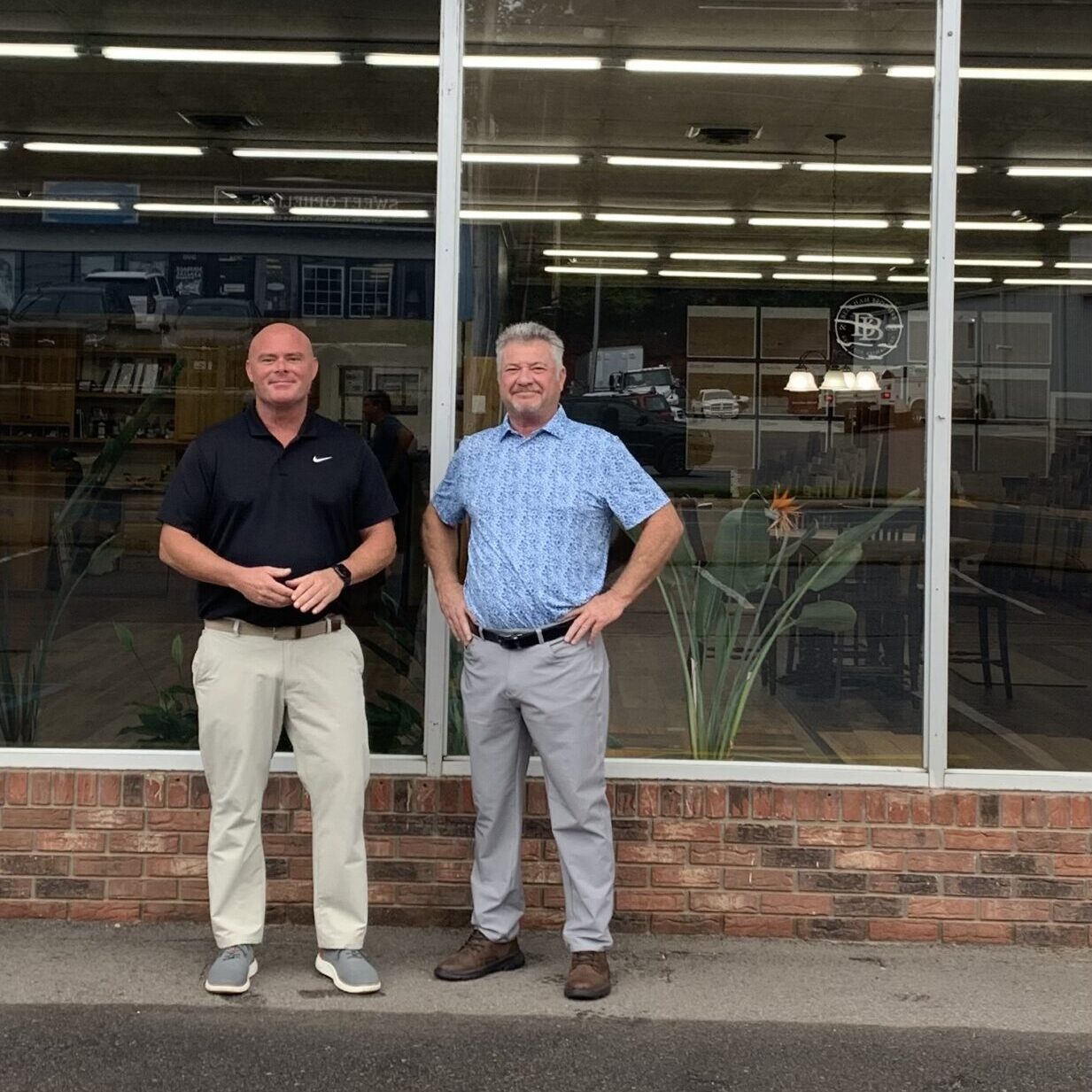
Reflecting on the Nantahala Flooring Outlet Acquisition
The recent purchase of Nantahala Flooring Outlet by entrepreneurs Bret Perkins and Randy Lovelace offers a fresh perspective on small business evolution in a market full of tricky parts and unpredictable twists and turns. As an observer of small business ventures and retail trends, it’s worth taking a closer look at how such acquisitions contribute to local economic growth and reshape customer experiences. This opinion editorial examines the historical significance of the business, its role in the community, and the growth strategies that Perkins and Lovelace plan to implement, while also exploring the broader implications for the home improvement industry in today’s fast-changing economy.
In a move that blends tradition with modern updates, the new owners stand at the helm of a business that has been a cornerstone of the Franklin, N.C. community for over six decades. The company’s journey—from its origins as Nantahala Lumber in 1958 to becoming a modern retail destination—is a testament to the enduring nature of family-run enterprises that successfully adapt over time. This acquisition is not just a transaction; it signifies a bridging of the past with a promising future for both customers and employees alike.
Historical Roots and Community Impact
Nantahala Flooring Outlet’s long history is filled with subtle details and notable milestones that reflect the evolution of retail in a traditionally family-run business setting. Initially started by the Zickgraf family, the business later transitioned to the Bodenheimer family, and now, with Perkins and Lovelace, it finds itself at the forefront of modern retail trends. Each stage in this evolution has required the owners to figure a path through challenging issues—the little twists and tricky parts that naturally accompany change and growth.
Local communities like Franklin depend on long-standing businesses such as these—places that not only provide quality products but also stand as symbols of stability and heritage. When a trusted name is managed by individuals who deeply appreciate its history while also being willing to innovate, it creates an environment where tradition and progress coexist in a way that serves the local economy. The local workforce, described warmly by the new owners, stands as testament to the value that employees add to every community-driven enterprise.
Key Historical Milestones
- 1958: Establishment of Nantahala Lumber by the Zickgraf family, marking the business’s humble beginnings.
- 1992: Transition to the Bodenheimer family, who broadened and modernized the business operations.
- 2025: The acquisition by Perkins and Lovelace, making them the third generation of ownership in a 67-year history.
These milestones illustrate not only the resilience of the business but also highlight the importance of local merchants in supporting community advancement. The history itself carries many of the little details that add charm and reputation, making it a beacon for trust in a market that is sometimes overwhelming for new entrants.
Modern Strategies for a Transforming Market
One of the most intriguing aspects of this acquisition relates to the business plans introduced by Perkins and Lovelace. Their strategy is built on the concept of gradual yet strategic expansion, aiming to transform Nantahala Flooring Outlet into a one-stop destination for home improvement. This vision isn’t about superficial changes but a deep commitment to upgrading product offerings and services, ensuring that the business remains relevant in an industry often loaded with issues stemming from over-complexity.
By incorporating new categories such as paint, cabinets, countertops, and appliances, the storefront is set to evolve from a specialized flooring retailer to a comprehensive home improvement hub. This smart diversification plan allows the store to address many of the fine points that modern homeowners often face during renovation projects. In essence, it transforms a single retail outlet into a centralized destination where customers can get all they need to revitalize their homes.
Expanding Product Offerings and Services
While the flooring sector alone is robust, the expansion into complementary product lines is a key strategy for tackling the nerve-racking challenge of market saturation. Here are a few reasons why this approach is both promising and necessary:
- Consumer Convenience: By providing multiple home improvement products under one roof, customers save both time and energy—a factor that can significantly influence purchasing decisions.
- Competitive Differentiation: In an industry where similar products are abundant, a diversified inventory sets Nantahala Flooring Outlet apart by offering more choices and comprehensive service.
- Enhanced Business Resilience: A broader product line helps cushion the business against market volatility that might affect a single retail segment.
This approach is particularly compelling when viewed against the backdrop of a market that is constantly having to figure a path through economic changes, supply chain issues, and other professional challenges that can make traditional retail feel like a maze of confusing bits and tangled issues.
Employee Loyalty and Community Collaboration
One of the standout themes in the acquisition is the firm commitment to maintaining and supporting the existing team. The new owners have repeatedly stressed their respect for employees and the legacy service that has made Nantahala Flooring Outlet a reliable community resource. With many businesses undergoing transitions that can sometimes be nerve-racking for staff, this acknowledgment is both essential and refreshing.
Employees represent the lifeblood of any enterprise, and keeping their trust is as critical as securing customer satisfaction. Perkins and Lovelace clearly understand that a dedicated workforce not only serves as a bedrock for successful operations but also helps in easing through the challenging parts of restructuring and growth. Their strategy involves ensuring that every staff member feels part of the evolving journey, which in turn fosters a culture of mutual respect and enduring relationships within the community.
Employee-Centric Strategies
Among the key strategies that illustrate this commitment, a few stand out:
- Transparent Communication: Keeping employees in the loop about new strategies reduces unnecessary worry about the uncertain twists and turns associated with acquisitions.
- Skill Enhancement Initiatives: Investing in training and new professional opportunities ensures that staff can confidently handle the expanded product range and customer needs.
- Team Engagement Programs: Participation in community events and feedback sessions fosters loyalty and a stronger sense of belonging.
These employee-centric measures, though fully embedded within the overall business strategy, are super important aspects that play a pivotal role in ensuring that the transition remains smooth and productive. A well-supported team can better advocate for high-quality service, which ultimately positively affects customer impressions and long-term business growth.
Home Improvement Industry Trends and Economic Outlook
The acquisition of an established business like Nantahala Flooring Outlet arrives at a time when the home improvement industry is already experiencing exciting shifts and transformative pressures. With economic trends suggesting that consumers are increasingly investing in home renovations, a one-stop destination for home improvement solutions seems on point. For homeowners weighing the benefits between DIY projects and professional services, the decision often boils down to balancing cost, convenience, and quality—all factors that are closely tied to the purchasing experience.
The retail business is no stranger to the presence of twists and turns due to macroeconomic cycles. As interest rates shift and housing markets adapt, consumer behavior fluctuates. In this context, businesses that can gracefully handle these changes by offering a broader inventory and enhanced customer service tend to fare better than those that remain narrowly focused. This acquisition, therefore, represents not just an internal upgrade but a strategic alignment with emerging consumer trends.
Market Expansion and Consumer Behavior Adjustments
Several factors influence the profitability and sustainability of businesses in the current climate:
- Consumer Confidence: When the market is faced with financial uncertainty, customers look for reliability in service and products. Long-standing names like Nantahala Flooring Outlet benefit from built trust that newer entrants might lack.
- Broader Service Offering: By expanding beyond flooring, the business can capture additional segments of the home improvement market, reducing dependency on a single revenue stream.
- Proactive Adaptation: Leveraging modern retail practices, including customer-focused showrooms and integrated digital engagement platforms, can help businesses stay competitive in an ever-changing retail landscape.
Understanding and adapting to customer tendencies is like steering through a series of intense and often nerve-racking tests of business foresight. Yet, businesses that take a proactive stance and invest in quality, both in terms of products and consumer relationships, will likely see long-term rewards. The integration of new product lines with established customer service practices is a prime example of this forward-thinking strategy.
Valuable Lessons for Small Business Owners
The story of Nantahala Flooring Outlet’s acquisition also offers several instructive lessons for small business owners grappling with the twists and turns of modern commerce. Its transformation reinforces the idea that adapting to change, while remaining true to a strong community ethic, can be a super important advantage in today’s competitive environment.
From understanding the hidden complexities of expansion to addressing the subtle parts of customer service, there are multiple takeaways for anyone involved in small business management. For instance, the move to encompass a wider range of home improvement products is not merely about revenue – it’s about creating an inclusive solution for customers, one that simplifies the often intimidating process of home renovations.
Actionable Insights for Entrepreneurs
Entrepreneurs and business owners can consider several key practices as inspired by this acquisition:
- Embrace Adaptation: Whether it’s introducing new products or optimizing service delivery, staying flexible allows you to master the fine points of evolving markets.
- Prioritize Community Ties: A strong local presence is built on trust. Engage with your community through events, transparent practices, and consistent quality.
- Invest in Workforce Development: Employees are a company’s most valuable asset. Providing training and fostering an environment of shared goals has immense long-term benefits.
- Diversify Offerings: Expanding product lines and services caters to varied customer needs, ensuring your business remains resilient in the face of market fluctuations.
These insights are tailored for owners who are keen to make their way through the sometimes overwhelming challenges of business growth. Implementing these ideas not only helps streamline operations but also nurtures a culture of innovation and proactive problem-solving within the organization.
Economic Implications and Broader Business Trends
The industry landscape is continuously being reshaped by factors such as changing consumer spending habits and evolving economic policies. The timing of the acquisition aligns well with broader trends in home improvement, where the drive for higher quality living spaces is influencing significant shifts in purchasing decisions. As mortgage rates loosen and new home sales experience ups and downs, businesses that can provide comprehensive solutions are poised to thrive.
Looking at the national trends, especially in sectors linked to home improvement, a few prominent economic markers become evident:
- Shifting Mortgage Rates: Lower rates often stimulate new home sales and renovations, prompting consumers to invest in upgrades and improved living conditions.
- Urban Revitalization: As urban areas experience renovation booms, businesses that can offer a range of services—from flooring to appliances—find themselves in advantageous positions.
- Economic Resilience: Established businesses with deep community roots are historically better equipped to stand up to economic challenges, ensuring consistent performance despite macroeconomic swings.
The economic environment necessitates that businesses figure a path through uncertainties while embracing innovative practices. Owners like Perkins and Lovelace, who come armed with decades of combined business and real estate experience, have a clear advantage. Their approach involves steering through tricky parts with a forward-thinking mindset that aligns strategic growth with a grounded understanding of local market dynamics.
The Role of Innovation in a Traditional Business Environment
One often overlooked yet critical aspect of this acquisition is the balance between maintaining traditional values and integrating innovative strategies in retail. When established businesses evolve, they face the complicated pieces of modern retail—adapting to digital market trends, revamped customer expectations, and the integration of new product lines without losing the charm that made them popular in the first place.
Perkins and Lovelace are not simply interested in reinvention for its own sake. Instead, they represent a new breed of business owners who appreciate the importance of innovation that is both thoughtful and respectful of a company’s heritage. Their plans to modernize the showroom by creating a customer-focused space are designed to make home renovations less intimidating and more accessible. This innovative step is likely to set a benchmark for other traditional businesses, encouraging them to explore digital integrations, interactive product displays, and an omnichannel approach to retail.
Modernization Strategies for Traditional Retailers
Key strategies that can help traditional businesses become more competitive in today’s market include:
- Digital Integration: Establishing a robust online presence and leveraging e-commerce platforms to supplement physical retail.
- Interactive Customer Experiences: Using technology to create virtual showrooms or interactive displays that engage customers and help them visualize home improvement projects.
- Data-Driven Decision Making: Utilizing customer data and feedback to make informed decisions about inventory, product lines, and marketing strategies.
Implementing these strategies may initially seem like navigating through a maze of confusing bits and off-putting details, but the rewards in increased customer satisfaction and enhanced market presence are well worth the effort. Each step of innovation must be taken with careful planning and respect for the traditional values that built the business in the first place.
Community Impact and Future Prospects
Beyond the immediate business transformation, this acquisition brings with it a number of positive outcomes for the local community. A successful small business does more than just offer products—it builds a network of local relationships, encourages economic diversity, and creates a sense of shared purpose. When community members see a trusted business being reinvigorated with new offerings and improved service, it reinforces a belief in local commerce and collective progress.
The promise of expanded product offerings is just one aspect of the broader transformation expected under the new ownership. By integrating additional home improvement categories, Nantahala Flooring Outlet is positioning itself as an essential hub where residents can find expert advice, quality products, and a genuine connection to the community.
Potential Benefits for the Community
| Aspect | Community Benefit |
|---|---|
| Diverse Product Offerings | One-stop shopping makes home improvement projects simpler and more efficient. |
| Employee Engagement | Job stability and local employment drive consistent community growth. |
| Modern Showroom Experience | Enhanced customer service and interactive displays benefit all local residents. |
| Local Economic Stimulus | Successful retail operations support ancillary services and other local businesses. |
This interconnected approach between retail evolution and community impact is a reminder that economic progress goes hand in hand with local well-being. It illustrates how every small business decision, from expanding product offerings to investing in employee training, contributes to the broader economic fabric of the area.
Concluding Thoughts and Future Directions
The acquisition of Nantahala Flooring Outlet by Bret Perkins and Randy Lovelace is a case study in how traditional businesses can successfully reinvent themselves without losing sight of the values that made them beloved in the first place. Their approach, which combines a respect for historical legacy with an eye on modern consumer needs, provides a roadmap for other small business owners facing the often intimidating challenge of growth and diversification.
This opinion editorial encourages both seasoned professionals and emerging entrepreneurs to figure a path through the tricky parts of modern business by embracing change, investing in human capital, and remaining rooted in community values. The strategic expansion from a specialized flooring retailer to a full-service home improvement destination captures the essence of adapting to market demands while securing the trust of a dedicated customer base.
Even in times when economic conditions are variable and market trends oscillate between promise and challenge, the fundamental principle remains: businesses that prioritize customer convenience, foster solid local relationships, and innovate thoughtfully will not only survive—they will thrive. The journey of Nantahala Flooring Outlet, with all its fine points and hidden complexities, sends a vibrant message about the resilience of small businesses and their pivotal role in driving economic and community development.
Looking forward, it is clear that this acquisition is more than just a change in ownership. It is a signal of an emerging trend where careful modernization and community trust work in tandem to transform traditional businesses into dynamic opportunities for growth, both economically and socially. As Perkins and Lovelace pave the way for their next chapter, they remind us that the art of business is a balance between honoring the past and stepping boldly into the future.
The coming years will undoubtedly present more twists and turns, but with innovative strategies at the helm and a community ready to support local progress, Nantahala Flooring Outlet is well on its way to setting an example for businesses across the home improvement and retail sectors.
In an era defined by rapid change and sometimes overwhelming challenges, the evolution of this business stands as a powerful reminder: with a mix of clear vision, a respect for time-tested values, and a commitment to ongoing improvement, any enterprise can manage its way through the tangled issues of modern commerce and emerge as a leader in its field.
Ultimately, the story of Nantahala Flooring Outlet is not just about acquiring property or rebranding a store—it’s about redefining what it means to grow in a community-oriented, ever-changing market. It’s a narrative that speaks to the heart of what small business success should look like: inclusive, adaptable, and grounded in the essence of quality service and local pride.
This transformation invites us all—consumers, entrepreneurs, and community members alike—to take a closer look at the positive changes possible when traditional businesses harness innovative ideas and strategic planning. As such, Nantahala Flooring Outlet’s journey is likely to serve as a beacon for other local ventures and a case study on achieving sustainable growth in today’s multifaceted economic landscape.
For those of us watching these developments unfold, the future appears promising. Initiatives like these demonstrate that even amid the nerve-racking challenges posed by a fluctuating market, deliberate, customer-centric reforms can lead to prosperity and community enrichment. It’s a story well worth following, and one that will undoubtedly inspire further discussions on how best to leverage past successes while boldly stepping into the innovative strategies of tomorrow.
In summary, this acquisition represents a turning point—one where a historical business finds new life through expansion, employee engagement, and community focus. It’s a reminder that even as businesses face a maze of confusing bits and intimidating challenges, smart adaptations and an unwavering commitment to quality can transform potential obstacles into stepping stones towards a brighter, more inclusive future.
Originally Post From https://www.fcnews.net/2025/09/perkins-lovelace-acquire-nantahala-flooring-outlet/
Read more about this topic at
Where legacy meets innovation
Leading Across Four Generations: Where Legacy Meets …