Regional Real Estate Trends: A Shifting Landscape
The U.S. housing market has become a mosaic of contrasting trends. In a remarkably divided landscape, home values are rising in half of the nation’s largest metropolitan areas while falling in the others. This dichotomy creates both opportunities and challenges for buyers, sellers, and industry professionals alike. As we take a closer look into this dynamic market, it becomes clear that the interplay between buyer power and affordability is central to these trends.
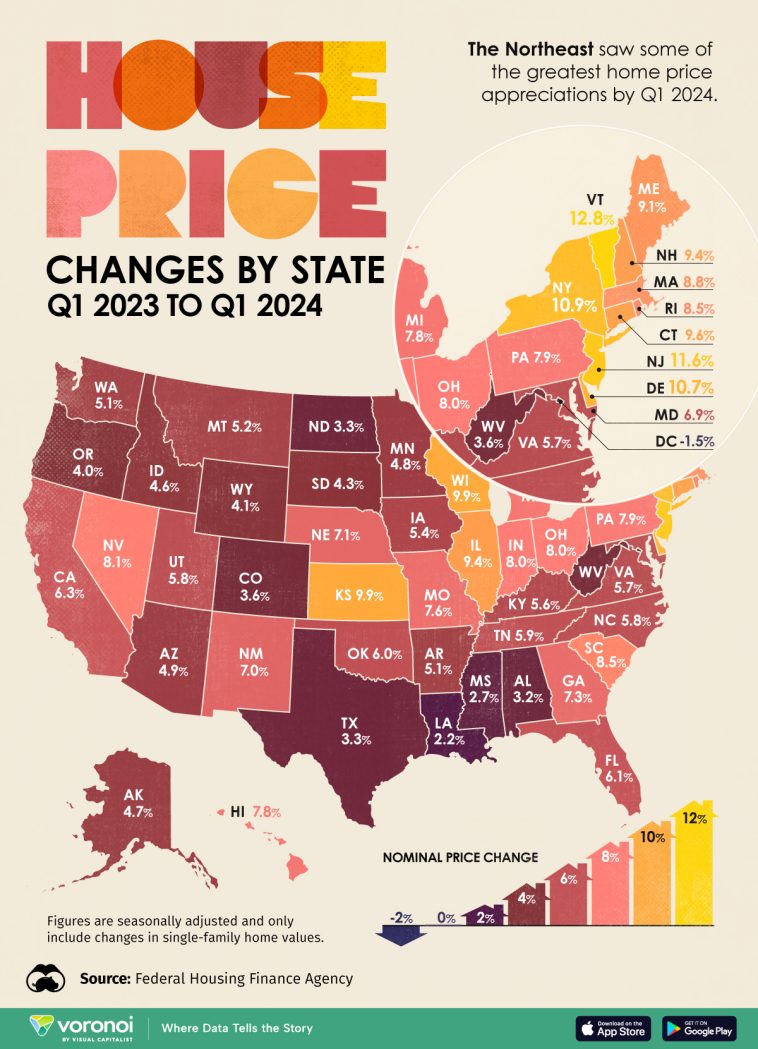
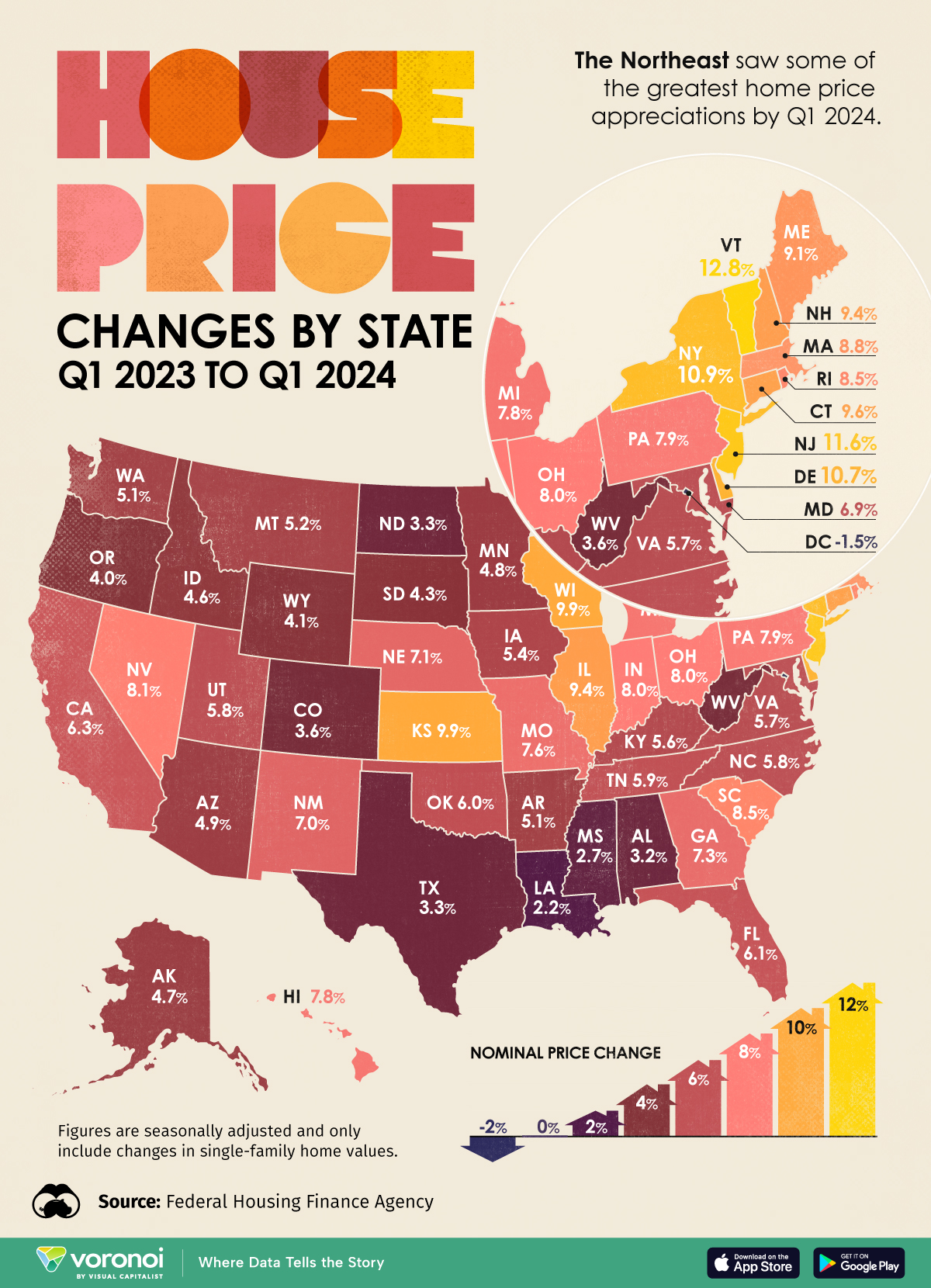
The report from a leading online real estate source reveals that in markets rooted in the Midwest and Northeast, home values are generally on an upward trajectory. These areas appear to be benefiting from sustained demand despite some headwinds. Meanwhile, in parts of the South and West, prices are seeing declines, which in turn are easing some of the affordability pressures that had gripped the market during the early pandemic period.
Buyer Negotiation Dynamics: Gaining Leverage in a Divided Market
One of the most striking takeaways from the latest market data is how buyers are steadily gaining negotiating leverage. In many major metros, the balance of power is noticeably tilting in favor of buyers—a trend that offers an interesting counterpoint to the soaring prices of previous years. What’s unusual, however, is that this advantage is met with stubborn affordability challenges that many potential buyers still struggle to overcome.
As buyers find themselves sitting on the negotiating bench, they can push sellers to reconsider their price expectations. In fact, data shows that sellers are compelled to reduce prices on more than one-quarter of the listings—a record level reached in years past. This situation underscores a reality where buyers, even with increased bargaining power, may be forced to watch from the sidelines simply because the cost barrier remains incredibly high. For those who have the means, the current market configuration offers an opening to secure a deal; for others, it presents a reminder of the heavy toll that home affordability issues continue to exact on America’s urban centers.
Understanding the Fine Points of Buyer Leverage
Several interrelated factors are feeding into this shift. First, higher-priced markets, particularly on the West Coast, remain tough nuts to crack for many buyers simply because the price points are still prohibitive. In contrast, more affordable markets are experiencing high demand but are soon reaching the limits set by local building restrictions and limited inventory. The latter phenomenon means that buyers who can afford to step into these zones may become locked in with rising prices, though the bargaining position they hold when negotiating might give them a price edge not seen in more competitive seller markets.
This nuanced dynamic plays out as a balancing act between sellers striving to get acceptable offers and buyers exploiting the slower pace of inventory movement. In some markets the listing durations have increased markedly, giving buyers more time to negotiate deals. Yet while buyer leverage may sound encouraging for those at the negotiating table, the underlying affordability issues in many urban markets continue to loom large.
Inventory Challenges and Building Restrictions: The Bottleneck That Influences Market Movements
Another major factor in the current real estate scene is the lingering shortage of available housing inventory, a scenario exacerbated by strict building restrictions in many parts of the country. In regions where demand is extremely high, these constraints act as a double-edged sword. They curtail the pace of new construction projects while inadvertently pushing prices upward, even as other markets see a downward trend in value. This phenomenon is particularly evident in tightly regulated coastal cities.
On the flip side, regions in the South have witnessed a more responsive building sector. The increased pace in new construction offers homeowners more options when looking to move up or down the property ladder. As price pressures loosen in these areas due to an easing of demand—or rather, the effective management of available inventory—the gap in affordability seems to be somewhat bridged. This has allowed more buyers to step into previously competitive markets, although at times the inflow is not sufficient to meet pent-up demand.
Examining the Impact of Building Restrictions
Pushing aside the theoretical frameworks and diving into the nitty-gritty, let’s consider the tangible impact of building restrictions. In markets boasting aggressive construction permits, the spike in new listings has provided a long-overdue relief to a market that had been starved of available housing. This surge in construction proves critical because, while buyers are enjoying more leeway, overall affordability remains a pressing issue. Buyers are invariably locked in by high mortgage costs—a point underscored by the fact that, despite lower interest rates easing some monthly burdens, current monthly payments remain nearly $1,000 higher than they were before the pandemic.
Such trends confirm that while bridging the supply deficit by constructing new homes is key, there exists a palpable tension between ensuring enough stock and keeping home prices accessible. It’s a tricky balancing act—the industry must figure a path that supports both robust construction and sustainable price growth, ensuring that buyer empowerment through negotiation does not come at the cost of overall market accessibility.
Price Corrections and Record Discounting: Seller Challenges and Buyer Opportunities
The widespread record in price cuts across the nation is more than just a headline—it is an indicator of significant market realignment. In many major metropolitan areas, sellers are slashing listing prices on over 27% of homes listed, an unprecedented shift in seller behavior that speaks to the urgency of adapting to evolving buyer trends.
Price adjustments are particularly pronounced in the South and Mountain regions. These areas appear to be the testing grounds for aggressive pricing strategies as sellers try to attract offers in an environment where homes tend to linger on the market far longer than in the pre-pandemic era. In stark contrast, cities in the Northeast and on the West Coast still favor sellers relatively. This divergence in pricing strategy highlights the hidden complexities facing homeowners when trying to sell their properties in today’s market.
Critical Insights into Price Correction Strategies
Sellers must now contend with a number of tricky parts: balancing the need to reduce prices to attract buyers against the risk of undervaluing their property assets. In urban centers where homes have historically commanded premium prices, even a small price correction can yield substantial shifts in the local market dynamics. Several factors contribute to this phenomenon:
- Increased listing duration, which forces sellers to adjust their expectations sooner rather than later.
- The competitive pressure from a rising number of buyers who benefit from extended decision-making windows.
- A broader market trend towards tailoring offers with digital tools, such as interactive floor plans and 3D tours, that help buyers get a clearer picture before stepping through the door.
These subtle details underscore the importance for sellers to create irresistible listings. A well-presented, digitally enhanced property listing can make a significant difference in a market where every extra day on the market risks eroding negotiating power further.
Understanding Affordability Walls: How Market Forces Impact the Buyer’s Journey
At the heart of many ongoing debates is the issue of affordability, a challenge that strikes a discordant note even in places where buyer leverage might suggest a more favorable market. For many potential homeowners, the persistent gap between what they can afford and what is available remains a nerve-racking barrier. Even with lower interest rates and modest price growth on an annual basis, the monthly costs associated with mortgages today are a stark reminder of how much the market has shifted since the pre-pandemic period.
This issue goes beyond just price tags. It touches on the broader implications for community development, economic mobility, and overall quality of life. Rising property values in some markets have enabled wealth building for some homeowners, while price declines in other regions offer a glimmer of relief for long-suffering buyers. The landscape is thus painted with the dual tones of opportunity and challenge.
Digging Into Regional Differences in Home Affordability
Let’s break down the regional differences that shape affordability. In metropolitan areas such as San Francisco and San Diego, even though buyers may enjoy some negotiating power, the high base prices for homes create nearly insurmountable affordability walls. Comparatively, cities like Tampa and Austin are witnessing a decline in home values—which on the surface may promise increased affordability—even though these markets carry their own set of challenges.
What does this mean for buyers? The path forward is one that requires making deliberate decisions based on local market conditions, rather than relying on national averages. Here are key points to consider:
- In high-priced markets, buyers often benefit from extended negotiation windows but must be prepared for a steep financial commitment over time.
- In markets where values are declining, the boost in affordability might make it easier to break into home ownership, yet this is counterbalanced by potential issues such as oversupply or diminished resale values.
- Opportunity exists in regions with balanced market conditions, where the tension between buyer power and market pricing gives rise to more stable long-term returns.
This breakdown makes it clear that regional nuance is key. Buyers must not only figure a path based on current trends but also plan for an evolving economic landscape where local supply and demand dynamics have a lasting impact.
Industry Perspectives: The Role of Construction and Policy in Shaping Real Estate Trends
Stepping back to view the bigger picture, the interplay between construction activity and policy restrictions plays a critical role in determining housing market outcomes. The record number of building permits in certain markets is a clear indicator that developers are seizing opportunities where land-use restrictions are less tangled and more pliable. However, even as new construction eases the national housing deficit, a gap of approximately 4.7 million units persists, pointing to an ongoing need for expanded housing supply.
From an industry perspective, the dynamics are full of problems—where regulatory hurdles and local planning challenges intertwine with economic imperatives. Cities with more flexible policies are not only attractive to developers but also offer a route for inventory to ramp up in response to increasing buyer demand. Conversely, markets with strict building codes continue to suffer from limited supply, which in turn pressures pricing even when buyer negotiation power is on the rise.
Diving Into Policy Impacts on Inventory and Pricing
The multifaceted relationship between policy and market performance is one worth examining in detail. When local governments ease restrictions on housing density and streamline the permitting process, developers can take swift actions to meet unmet demand. These environments create a ripple effect: more housing availability, gradual price corrections, and ultimately, a market that supports both buyers and sellers.
Conversely, areas that remain wrapped up in complicated pieces of zoning and building codes continue to miss the opportunity to serve a growing population. Consequently, the price divide deepens—leaving many buyers grappling with affordability issues even in a market that, on the surface, might offer better negotiating terms.
The Digital Shift in Home Shopping: Technology as a Game Changer
The rapid evolution of digital tools in real estate cannot be overlooked. Today’s buyers start their home search well before they step foot on a property. Online listings that feature interactive floor plans, immersive 3D tours, and high-resolution images provide a level of detail that was scarce in previous decades. This digital migration is steering the way properties are marketed and sold, making every online detail count.
Digital platforms have effectively reshaped the decision-making process. Buyers can now take a closer look at the subtle parts of a property from the comfort of their homes. This shift has significant implications for both buyers and sellers:
- Sellers must invest in high-quality digital media to make their listings irresistible.
- Buyers have greater discretion to compare quality and pricing quickly, further shifting the balance of negotiation in their favor.
- Real estate agencies are now tasked with the challenge of merging traditional interaction with modern digital experiences.
This evolution is not just about convenience—it’s a critical element of today’s market strategy. As the real estate industry continues to blend technology with traditional sales techniques, the competitive edge will increasingly belong to those who manage their way through these digital channels most effectively.
Selling in a Changing Market: Strategies for Success Amid Lingering Listings
In a landscape where the median for-sale home has been listed for a record 60 days, sellers face an intimidating array of challenges. The gap between homes that attract attention quickly and those that linger on the market has never been wider. If homes are to be sold in a timely manner, sellers must pay keen attention to the presentation and pricing of their properties.
As the market evolves, conventional strategies are being replaced by more agile methods. Today’s sellers need to:
- Embrace pricing flexibility by staying attuned to buyer trends and willing to adjust prices early on.
- Leverage innovative digital marketing practices, such as virtual tours, interactive floor plans, and high-quality imagery.
- Ensure that property listings communicate clear value, tailoring each feature to appeal both to first-time buyers and seasoned investors.
This renewed focus on marketing is a response to the demands of a market where even slight delays in closing a sale can lead to missed opportunities and additional holding costs. Sellers who can figure a path through these twists and turns by adopting a proactive, tech-savvy approach have a far better chance of succeeding in today’s competitive environment.
Managing Your Way Through Selling Challenges
For sellers, the current conditions require a strategy that accounts for several subtle differences in buyer behaviors. It’s no longer enough to simply relist a property and hope for the best. Instead, every listing must be optimized for maximum appeal in a market that is now as much digital as it is physical. The key strategies include:
- Accurate Pricing: Sellers are increasingly under pressure to set realistic prices in order to avoid prolonged listing times. Researching comparable properties in the local area is essential.
- Enhanced Digital Presence: A robust online presentation, complete with virtual tours and interactive features, builds buyer confidence and accelerates decision-making.
- Timely Adjustments: The record-high rate of price cuts suggests that sellers who act early to adjust pricing based on market feedback tend to secure offers faster.
These strategies might seem straightforward, but in practice, they require a fine balance between market research, agile decision-making, and the use of digital tools. Each step involves its own set of tangled issues that sellers must figure a path through by staying informed about both macro and micro market trends.
Forecasting the Future: What Lies Ahead for the U.S. Housing Market?
The future of the American housing market remains as unpredictable as ever. With trends indicating moderate national average growth of just 0.2% year over year, the overall environment may appear stagnant, but the underlying dynamics hint at significant shifts on the horizon. The interplay between buyer strength, limited inventory, and uneven regional developments paints a picture of a market that is anything but static.
Looking forward, several key factors will be critical in determining the path of the market:
- Economic Conditions: Macroeconomic trends, such as employment rates and wage growth, will continue to challenge or bolster home affordability.
- Monetary Policy: Interest rate adjustments have already played a role in easing some monthly borrowing costs, and future shifts could further influence buyer behavior.
- Regulatory Environment: Easing building restrictions in high-demand areas could unlock new inventory and ease pricing pressures in regions that have long suffered from limited supply.
- Technological Advancements: The digital revolution in real estate is just beginning. As more sophisticated tools become available, both buyers and sellers will find new channels for negotiation, marketing, and transaction efficiency.
While these factors provide some indication of future trends, the market is riddled with small distinctions that could push it in unexpected directions. A close watch on local conditions, combined with an agile approach to market shifts, will be crucial for all players.
Digging Into Economic and Policy Drivers
Historically, the housing market has been a barometer of broader economic trends. In recent months, fluctuations in buyer power and price adjustments suggest that the market is still in a state of flux. As interest rates fluctuate and economic conditions change, both buyers and sellers must be ready to make timely adjustments.
In this context, policy decisions at the local and federal levels become even more significant. Easing the twists and turns of regulatory issues can create pathways for new housing projects that may help close the persistent supply gap. Conversely, if policies become more restrictive, buyers might find their negotiating power undercut by an unyielding supply deficit.
Therefore, while the current environment has allowed buyers to extract some concessions through price cuts and longer negotiation windows, the overarching economic factors and policy moves will continue to shape the long-term trajectory of home values across the country.
Regional Market Snapshots: A Data-Driven Look
A closer examination of regional data provides additional insight into the present market dynamics. Below is a summary table highlighting key metrics from several major metros:
| Metro Area | Home Value (ZHVI) | Year-Over-Year Change | Price Cut % | Market Direction | Median Days Listed |
|---|---|---|---|---|---|
| New York, NY | $713,066 | 3.7% | 15.9% | Neutral | 31 |
| Los Angeles, CA | $959,206 | -0.8% | 25.1% | Seller | 26 |
| Chicago, IL | $346,252 | 3.5% | 27.7% | Seller | 11 |
| Austin, TX | $437,456 | -6.0% | 32.4% | Buyer | 58 |
| San Francisco, CA | $1,127,650 | -3.8% | 22.0% | Strong Seller | 26 |
This table illustrates that while some metropolitan areas are still enjoying rising prices and seller-favored conditions, others have seen substantial declines that empower buyers. The data suggests that regional variations are significant, and understanding these differences is essential for anyone looking to step into the housing market—whether as a buyer or a seller.
Lessons for Industry Professionals and Policy Makers
The current state of the housing market offers several important lessons for industry professionals and policymakers alike. The evolving dynamics of buyer leverage, digital transformation in shopping, and shifting regional trends are all factors that demand careful consideration. What can we learn from these operational shifts?
First, it is clear that flexibility is now more important than ever. Industry professionals must adapt to both national trends and local deviations. The varied impact of building restrictions, for example, is a hurdle that developers, real estate agents, and policymakers must work together to overcome. By taking a closer look at local market conditions and being prepared to adjust strategies, stakeholders can better serve both buyers and sellers.
Second, digital tools stand as must-have assets in today’s market. Agencies that provide immersive and interactive online experiences are better positioned to capture the interest of time-sensitive buyers. This digital shift has changed the way properties are viewed and negotiated, and real estate professionals must now figure a path through these new competitive boundaries.
Finally, policy makers need to recognize the ripple effect that local building restrictions and zoning deadlines have on overall housing affordability. Encouraging a smoother, less intimidating permitting process can help stimulate a clamor for new construction and, in time, ease the affordability burden observed in many urban markets.
Key Takeaways for the Future
Considering the current market landscape, here are a few essential points that emerge:
- Regional diversity means that one market strategy does not fit all. Buyers and sellers must tailor their approach based on local conditions.
- Price cuts and extended listing durations are symptomatic of an ongoing adjustment period. Sellers who can adapt quickly are more likely to avoid long delays.
- Continued investment in digital marketing and online home shopping tools is not optional—it’s a key strategy for success in an increasingly virtual market.
- Policymakers who streamline building regulations could unlock significant value for growing urban centers while easing the long-standing supply deficit.
These points not only provide guidance for navigating the current market but also hint at broader economic shifts that may shape the future of home ownership across America.
Conclusion: Balancing Negotiating Power and Affordability
The current U.S. housing market is emblematic of a period of adjustment marked by regional disparities, evolving buyer leverage, and record-setting price corrections. Although buyers are gaining a greater voice in steering the market due to extended listing times and increased negotiating leverage, the persistent issue of affordability remains a formidable obstacle for many.
Industry professionals, from real estate agents to policymakers, are now tasked with finding their way through these tangled issues by leveraging digital tools, adopting flexible selling strategies, and crafting policies that stimulate new construction. As the market continues to shift, finding balance in negotiation and ensuring affordable access to home ownership will be essential for fostering a healthy, sustainable real estate environment across the country.
For buyers, sellers, and investors alike, the current trends offer both challenges and opportunities. Although navigating this market may seem overwhelming at times, staying informed of regional specifics, digital advancements, and policy changes can ultimately create a pathway toward more stable and equitable housing outcomes. In a market where every slight difference matters, adapting to the evolving environment is not just about keeping pace with change—it’s about embracing it as a catalyst for future growth.
As we figure a path forward through these twists and turns, the collective efforts of industry insiders and policymakers can help unlock a housing market that not only sustains economic growth but also ensures that home ownership remains within reach for more people. Ultimately, the balancing act between buyer power and affordability is a delicate one, but with insight, innovation, and a willingness to adapt, a more equitable market future is within sight.
Originally Post From https://zillow.mediaroom.com/2025-08-18-Home-values-are-rising-in-half-the-country,-falling-in-the-other
Read more about this topic at
The US Housing Market Divergence: Multifamily Resilience …
Housing markets diverge by region