An In-Depth Look at 0% APR Credit Cards: A Smart Financial Strategy?
In today’s fast-paced economy, consumers are often bombarded with countless credit card offers, each promising unique perks and rewards. One particularly appealing option is the 0% APR credit card. Offering an interest-free window, these cards allow you to finance major expenses or manage debt while bypassing the usual finance charges for a set period. This opinion editorial digs into the benefits, potential drawbacks, and hidden details of 0% APR credit cards, so you can figure a path through the maze of offers and choose an option that genuinely fits your financial needs.
While the numerous offers and benefits might make the choice appear straightforward, there are many tricky parts and tangled issues that come along with these cards. In this editorial, we’ll take a closer look at the fine points of 0% APR credit cards, sharing personal insights, key strategies, and some cautionary advice when employing these financial tools.
Understanding the Interest-Free Window
Many consumers view the 0% APR period as a golden opportunity—a chance to put off interest payments for an extended period. But just how critical is that interest-free period? The answer is that this key benefit can save you a significant amount of money, especially if you’re planning a big purchase or have an outstanding balance to clear. With so many offers available, it is essential to sort through the confusing bits and figure out exactly what each card offers.
The core idea behind a 0% APR card is simple: during the introductory period, you are not charged any interest on your purchases (and sometimes even on balance transfers). Once that period lapses, however, the card’s normal, often higher, interest rate kicks in. Whether this turns out to be an overwhelming or advantageous situation depends on your ability to pay off your balance during those interest-free months. It’s worth noting that while a long interest-free period is a must-have for some, simply having an extended period without extra charges may not be enough if other fees and conditions come with strings attached.
Key Factors to Consider When Shopping for a 0% APR Credit Card
The crowded field of credit card offers means you must get into the nitty-gritty of each deal’s details. Before settling on a card, it’s wise to compare the factors that really matter. These include the length of the introductory period, associated fees, and even the rewards program on offer if you’re opting for a rewards card instead of a pure 0% APR card.
Length of the Introductory Period
A longer interest-free period offers extra breathing room to manage large purchases or pay off a balance transfer. Some cards grant up to 21 months without charges, while many others provide around 12-15 months. It is important to note that not all offers apply the 0% APR uniformly to all types of transactions. In some cases, the promotional rate might only apply to purchases and not to balance transfers or vice versa.
The table below outlines some common features associated with top 0% APR credit cards:
| Card Name | Intro APR Period (Purchases) | Intro APR Period (Balance Transfers) | Annual Fee | Rewards/Bonus |
|---|---|---|---|---|
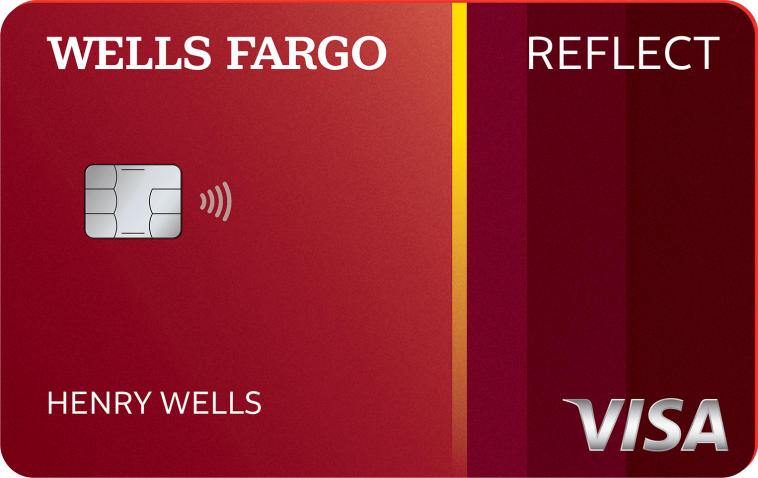
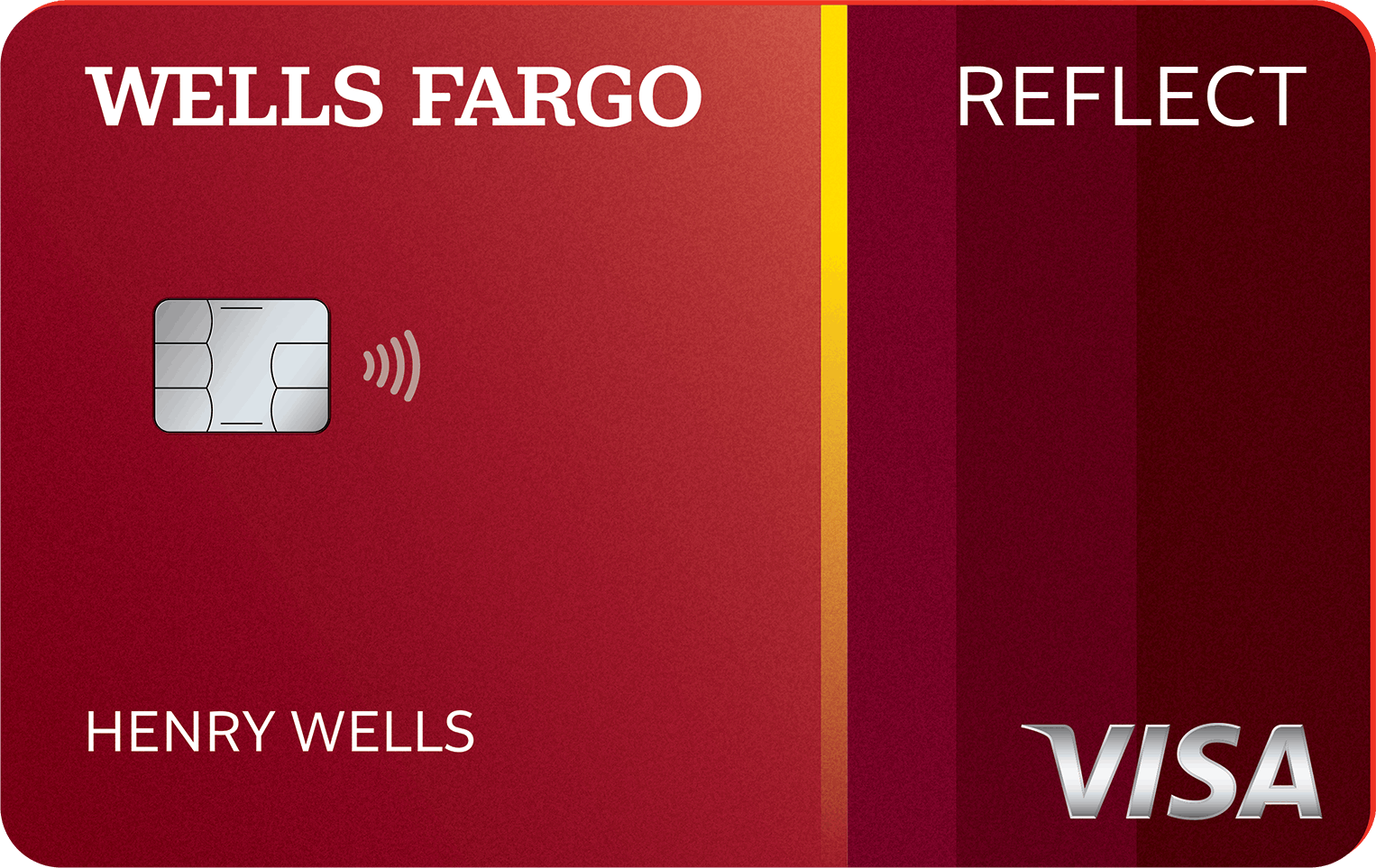
| Wells Fargo Reflect® Card | Up to 21 months | Typically similar | $0 | Limited; no sign-up bonus |
| Chase Freedom Unlimited® | 15 months | 15 months | $0 | Cash back rewards & bonus offer |
| Discover it® Cash Back | 15 months | 15 months | $0 | Quarterly bonus categories with Cashback Match |
This table is a simplified comparison, but it clearly shows that while some cards focus primarily on a lengthy promo period, others bring attractive rewards along with decent introductory periods. In choosing, ask yourself whether saving on interest matters more to you or if you’d benefit further from rewards and bonuses.
Associated Fees and Other Hidden Issues
Even though a lengthy 0% APR period is enticing, every credit card offer comes with its own set of small details, often in the form of fees. For example, balance transfer fees, which can sometimes reach 5% of the transferred amount (or have a minimum fee), might add up if not carefully considered. These curious fees can sometimes offset the benefit of an extended interest-free window.
Other costs could include annual fees that might be imposed after the introductory period or other service fees that show up in your statements. It is a good idea to keep an eye on all the fine details in the terms and conditions and to get into the nitty-gritty of exactly when, how, and on what transactions these fees will be charged. Such due diligence can prevent scenarios where you find yourself dealing with unexpected charges.
Rewards Cards Versus Pure 0% APR Cards: The Trade-Offs
When it comes to 0% APR offers, you can largely divide the products into two categories: rewards cards and pure 0% APR cards. Each type brings its own set of benefits and challenges, which means that choosing a card is very much about assessing your own spending habits and financial goals.
Rewards Cards: Balancing Perks and the Interest-Free Period
Rewards cards offer the dual benefit of letting you get an interest-free period while also earning points, cash back, or travel rewards on your spending. Many consumers find their rewards programs to be a critical component of their overall card package. However, these cards might feature a slightly shorter 0% APR period than their pure counterparts.
Some well-known rewards cards include:
- Chase Freedom Unlimited®: An option that offers strong cash back rewards on all purchases alongside a 15-month intro APR period, giving you extra benefit through bonus categories like travel and dining.
- Discover it® Cash Back: This card’s rotating bonus categories provide opportunities to earn higher rewards during set periods. Its signature Cashback Match at the end of the first year can potentially double your cash back.
- Capital One Savor Cash Rewards Credit Card: Known for rewarding spending on dining and entertainment, this card is ideal if your spending habits align with the bonus offerings. It combines the interest-free period with attractive cash back benefits.
These rewards cards are seen as a double-edged sword; they can help offset large expenses further while offering an interest break, but they also require you to manage your rewards wisely. The process of tracking rotating bonus categories can sometimes feel intimidating or nerve-racking, especially if your spending patterns vary significantly throughout the year. That said, if you plan your purchases carefully, the rewards can become a super important factor in your saving strategy.
Pure 0% APR Cards: Simplicity Over Perks
On the other hand, pure 0% APR cards extend a straightforward, lengthy interest-free period often without the addition of complicated rewards programs. For someone who is focused on paying off a large purchase or transferring an existing balance without worrying about interest charges, a pure card is a smart choice, despite the lack of sign-up bonuses.
Consider these points when deciding on a pure card:
- Simplicity: Without the additional layer of rewards tracking, you can focus on clearing your balance within the interest-free period. There are no extra twists and turns in managing rewards, which can be a big relief if you prefer simplicity in your spending.
- Cost Savings: The main draw here is the substantial money saved by not having to pay standard interest rates over an extended period. This benefit is often more mathematically significant than earning rewards, particularly if you’re transferring a high-interest balance.
- Limited Long-Term Value: Once the promo period expires, though, these cards usually offer little in terms of continued perks. If you plan to use the card well beyond the interest-free stage, you might find yourself looking for a more robust rewards scheme.
As with rewards cards, the decision to opt for a pure 0% APR card should hinge on your particular spending habits and financial objectives. Is your main goal to avoid interest charges on a large expense, or do you see additional value in earning rewards on everyday spending?
Tackling the Trickier Parts: Strategy and Discipline
Even if you pick the ideal 0% APR card to meet your needs, it’s not a magic solution to all financial woes. There are still several small details and challenging aspects that require discipline to manage effectively. Many users quickly find themselves facing a series of intimidating billing deadlines and fine print conditions that can throw off their carefully planned repayment schedules.
Here are some practical strategies to help you get around these tricky parts:
- Plan Your Repayments: Use budgeting software or a simple spreadsheet to lay out a clear payment plan that ensures your balance is completely paid off before the promotional rate expires. Keeping track of this timeline can help you avoid the nerve-racking moment when your interest rate spikes.
- Set Up Alerts: Most credit card companies allow you to set up reminders for payment due dates. These notifications can serve as a dependable guide to help make your way through the busy billing cycle, ensuring you never miss a crucial payment.
- Keep an Emergency Fund: Although it might be tempting to use 0% APR cards for major expenses, it’s important to have backup savings. This extra cushion can prevent you from overspending if an unexpected expense arises during your interest-free window.
Tackling these elements head-on means that you’re not simply relying on the interest-free period to do all the work for you. Instead, you are actively working through the necessary steps to manage and eventually pay off your debt in an organized way.
Managing Your Way Through Rotating Reward Categories
If you opt for a rewards card with a rotating bonus scheme, you get an appealing opportunity to earn extra cashback or travel rewards. However, these rotating categories come with their own set of subtle details and shifting priorities that require you to get into the finer points of your spending habits.
For example, some cards require you to activate the bonus category every quarter. While this rotating system can offer outstanding rewards on, say, grocery purchases one quarter and gas or online shopping during the next, it also forces you to keep track of changing offers. This can become a bit overwhelming if you prefer a more predictable approach.
Below are some tips for getting into the small distinctions of rotating categories:
- Mark Your Calendar: Keep a physical or digital calendar to record when the bonus categories change. Knowing the exact dates allows you to plan your larger expenses during periods when bonus offers are available.
- Review Your Spending Patterns: Look at past billing cycles and determine where most of your money goes. If you notice that your spending doesn’t fit well with the rotating offers, a card with a flat rewards rate might prove less complicated.
- Use Tools and Apps: Many financial apps can help you stay on top of rotating bonus categories. These can help you steer through the small differences between each period so you maximize your rewards.
Ultimately, rewards cards with rotating categories are a fantastic way to earn benefits if you’re willing to invest the time and energy to manage the program. However, if you find the process off-putting or too nerve-racking, a card with a simpler, flat-rate reward structure might be the better option.
Setting Realistic Financial Goals With 0% APR
Utilizing 0% APR credit cards is not just about enjoying a temporary interest break; it’s about integrating them into a broader financial strategy. The decision of which card to choose should hinge on your overall financial plan. Whether your goal is to reduce high-interest debt, finance a large home improvement project, or cover unexpected expenses without depleting your cash reserves, understanding what each option brings to the table is super important.
Here are some pointers to help you set realistic financial goals when using these cards:
- Identify Your Objectives: Are you planning a major purchase, consolidating debt, or simply looking to shift your spending to get rewards? Clearly defining your financial goals will help you select the card that best aligns with your needs.
- Create a Payment Roadmap: Once you’ve set your goal, map out a realistic repayment plan that ensures your balance will be cleared within the interest-free period. This might involve reducing nonessential expenses or designating a specific amount from each paycheck toward the balance.
- Monitor Your Progress: Regularly review your financial progress. Use budgeting tools or simple spreadsheets to keep track of how much you’ve paid and how much remains. This practice will help you spot any potential warnings early enough to adjust your plan.
- Stay Informed: Financial products aren’t set in stone—they often come with updated terms and conditions. Make a habit of checking the small print or consulting with financial experts every now and then to get a clear picture of your card’s current benefits and pitfalls.
By charting out your objectives and monitoring your progress, you can ultimately ensure that the benefits of a 0% APR card aren’t outweighed by its potential shortcomings. It’s all about finding the right balance between managing your current expense load and planning for future financial stability.
Real-Life Cases: Learning from Consumer Experiences
Many consumers have shared their experiences with 0% APR credit cards online and in financial communities. Their stories offer invaluable insights into the practical realities of using these cards. For instance, some individuals have used a 0% APR offer to fund large home improvement projects. By using the interest break wisely, they were able to pay off sizeable balances while simultaneously keeping their savings intact. Others have shared how 0% APR cards have served as a lifesaver during unexpected emergencies, such as covering high veterinary bills without having to dip into an emergency fund.
These consumer narratives underscore an important lesson: while the attractiveness of an interest-free period is undeniable, achieving true financial benefit demands careful planning and discipline. The following bullet list summarizes key takeaways from everyday experiences:
- Plan big expenses to align with the interest-free period.
- Utilize alert systems to manage billing dates and activation of bonus categories.
- Regularly revisit your repayment plan to ensure you’re on target.
- Remember that even with a 0% APR, missing payments can cancel your promotional rate.
- Consider both the rewards potential and the additional fees when choosing your card.
These common observations are a reminder that while 0% APR cards can be a fantastic tool, they come with a responsibility to manage them wisely for long-term financial health.
How to Make the Most of a 0% APR Card
The secret to truly benefiting from a 0% APR card is less about the card itself and more about how you incorporate it into your overall financial habits. Here are some actionable steps to guide you:
- Do Your Homework: Before applying, take the time to read through the sometimes complicated pieces of the card’s terms. Look for details regarding fees, the exact length of the interest-free period, and any special conditions that might limit your use cases.
- Pay More Than the Minimum: The nature of 0% APR means that every payment you make goes directly toward reducing the principal balance. Paying only the minimum could push you close to the end of the promo period with a remaining balance, which can trigger an interest charge once the rate converts.
- Integrate with Budgeting Tools: Use budgeting apps or financial spreadsheets to set aside a fixed amount each month dedicated solely to repaying your balance. Even setting automatic transfers can help ensure that you consistently chip away at your debt.
- Revisit and Reassess: After the promotional period ends, analyze your spending habits and the value you obtained from using the card. This reassessment can offer valuable insights for future financial planning.
- Consider Future Credit Use: Even after you’ve successfully paid off your balance, keeping the account open (if it doesn’t have an annual fee) can help maintain your overall credit limit, which is beneficial for your credit score.
Following these steps can help you make the most out of the interest-free period while preparing you for the transition to standard interest rates once the promo period expires.
Long-Term Impact on Your Credit Health
One aspect often overlooked in the excitement of a sleek promotional offer is the long-term impact on your credit score. While a 0% APR card can improve your financial flexibility when used responsibly, it is important to consider how your overall credit profile might change over time.
Your credit score is influenced by factors such as payment history, credit utilization, and the length of your credit history. Keeping a 0% APR card active can have a positive influence on your overall credit limit, as it contributes to a lower utilization ratio when used wisely. However, if you fall into the habit of making only the minimum payments, or worse, miss a payment, you could damage your credit.
To navigate these fine shades in credit management:
- Pay On Time: Consistently paying on time, even if only the minimum, shows responsible credit behavior.
- Monitor Your Utilization Ratio: Aim to keep it low, as a lower ratio is often seen as more positive by lenders.
- Keep Accounts Open: Even when you’re not using a card regularly, maintaining an open credit account can help your overall credit health, as closing an account could reduce your available credit.
These small distinctions in managing your credit can have a significant cumulative impact over time, which is why it’s so important to not only enjoy the benefits of 0% APR but also be mindful of your longer-term financial picture.
A Balanced Approach: Weighing Benefits Against Risks
Ultimately, the decision to use a 0% APR credit card comes down to weighing the benefits against the potential risks. On one hand, the savings can be immense—especially for consumers looking to finance a large purchase, consolidate existing high-interest debt, or cover unexpected expenses without a dent in their savings.
On the other hand, the twists and turns in how these cards are structured, such as hidden fees and the potential for interest to accrue after the promotional period, represent a set of problems that need careful management. If you’re disciplined and keep a close tab on your repayment schedule and the smaller details in your account statements, a 0% APR card can be a game changer for your personal finances.
Below is a bulleted summary of key pros and cons:
- Pros:
- Extended period without interest means more money saved.
- Potential to pay off large expenses without immediate cash outlay.
- Opportunities to earn rewards if choosing a rewards card.
- Helps manage cash flow during big purchases or debt consolidation.
- Cons:
- Potential for hidden fees like balance transfer costs.
- Rotating bonus categories can be tricky to keep up with.
- If not managed correctly, the end of the promotional period can result in high interest.
- Requires strict discipline and a clear repayment plan to avoid pitfalls.
This balanced review should help anybody considering a 0% APR card get into the fine details necessary to make the best choice for their financial situation.
Expert Opinions and Community Insights
Industry experts and everyday cardholders alike often share their experiences online, in forums, and in financial advice columns. A common sentiment among these sources is that while the 0% APR card is a superb tool when used correctly, it demands a level of careful management that many find intimidating at first.
One financial expert from a leading credit research firm noted, “A 0% APR card isn’t a magic bullet. It offers a temporary respite from interest charges, but it also requires a well-defined repayment strategy and consistent monitoring.”
Online communities, such as those found on popular personal finance forums, frequently emphasize the importance of paying off the balance in full within the promotional period. This cautious approach helps to avoid any surprises when the card converts to its regular, often higher, interest rates.
If you’re curious about what others have experienced, here are a few excerpts from community discussions:
- “I used my rewards card with a 15-month 0% APR period to finance a home remodeling project. It wasn’t nerve-racking once I had a clear plan in place, and the cash back helped me offset some costs.”
- “The biggest challenge is definitely keeping track of bonus categories. I learned the hard way that missing an activation window can significantly reduce your rewards.”
- “For me, the pure 0% APR card was a lifesaver during an unexpected medical emergency. The lack of interest meant that every payment went straight towards reducing my debt.”
These real-life experiences underscore a critical point: while the benefits are substantial, success with a 0% APR card hinges on working through the confusing bits and sticking to your repayment roadmap diligently.
Practical Tips for First-Time Applicants
If you’re new to the world of 0% APR credit cards, stepping into this territory can feel a bit off-putting. The key is to start by understanding not only the benefits but also the responsibilities that come with these cards. For first-time applicants, the challenge lies in the small details that can make or break your experience.
Here are some practical, no-nonsense tips to get you started:
- Read the Fine Print: Don’t let the attractive headline of a long 0% APR period distract you from the other charges. Look into the balance transfer fees, any annual fees after the promotional period, and specific terms relating to rewards if applicable.
- Assess Your Financial Situation: Take a good look at your budget and expenses before applying. If you know you can commit to a repayment schedule, the card will serve you well.
- Consider a Backup Plan: Always have a plan B. Maintain a small reserve of cash or another credit option in case an unexpected expense arises that might disrupt your repayment strategy.
- Consult Financial Resources: Use online calculators, budgeting tools, or even talk to a financial advisor to work through the subtle parts of your repayment plan.
By following these tips, you can figure a path through the maze of credit card offers with confidence, reducing the risk of any nerve-racking surprises down the line.
Looking Forward: The Future of 0% APR Credit Offers
The landscape of credit card offers is continuously evolving. As consumer behavior shifts and economic conditions change, the offerings from banks and financial institutions are bound to adapt. We might soon see even more innovative products that blend the perks of rewards cards with extended interest-free periods. Being on the lookout for new promotions and reading customer reviews will be super important if you want to stay ahead in the game.
Financial experts predict that increased competition among issuers could drive more favorable terms for consumers, such as longer introductory periods or reduced fees. But with these changes comes the need to sift through new, sometimes complicated pieces of terms and conditions. Staying informed and keeping a close eye on your credit accounts will help you make your way through these evolving offerings.
Moreover, the rise of new fintech companies and digital tools will likely simplify many of the nerve-racking elements related to managing your credit card. We may soon see more intuitive budgeting apps, automated payment schedules, and alerts that can guide you as you navigate the many twists and turns in your credit journey.
A Final Word: Is a 0% APR Credit Card Right for You?
Ultimately, the decision to apply for a 0% APR card is a personal one. It requires that you take a closer look at your financial habits, read through the small details with care, and commit to a disciplined repayment plan. When used wisely, these cards can provide a critical lifeline during periods of heavy spending or unexpected expenses, offering significant savings on interest and even some attractive rewards.
However, bear in mind that the benefits do not come without potential pitfalls. The off-putting fees, the complexity of rotating rewards, and the taxing responsibility of sticking to a rigid payment schedule can be challenging if you’re not prepared. For those who are organized and willing to invest the time into planning, a 0% APR credit card can be a must-have tool to boost financial flexibility.
In conclusion, whether you are consolidating debt, funding a remodeling project, or simply seeking to optimize your spending habits, weighing the pros and cons of various 0% APR offers is essential. Take the time to compare terms, use the handy tables and bullet point summaries provided by reputable sources, and tailor your choice to your unique financial situation.
As the world of credit cards continues to evolve, staying informed and vigilant about the subtle details will help ensure that you get the most out of your financial decisions. By embracing the interest-free window wisely and managing the hidden issues with careful planning and discipline, you can ultimately turn these troublesome twists and turns into a pathway for financial success.
In my own experience—and in the shared stories of numerous cardholders—the power of a 0% APR credit card is not just in its promise to delay interest, but in its ability to help you structure your finances more effectively. It teaches us about planning, self-discipline, and the importance of understanding every small twist in the terms before diving in. So take the time to do your homework, set realistic goals, and use these cards not just as a temporary fix, but as a meaningful part of your long-term financial strategy.
There is no one-size-fits-all answer, and no approach is without its challenges. But if you can steer through the confusing bits and keep a sharp eye on the fine details, you could find that a 0% APR credit card is exactly the tool you need to propel your financial journey forward.
Remember: the key is not just to enjoy the temporary break from fees, but to embed these lessons into a broader framework for managing your money. With careful planning, smart usage, and a disciplined repayment strategy, a 0% APR card can be one of the most effective tools in your financial toolkit.
In the world of personal finance, every little twist and turn counts. So whether you’re a seasoned spender or just starting out, consider the benefits and responsibilities of a 0% APR credit card as you map your own path to financial freedom.
Originally Post From https://www.nerdwallet.com/article/credit-cards/best-zero-percent-credit-cards
Read more about this topic at
Compare 0 Intro APR Credit Cards
0% APR Credit Cards – Mastercard