
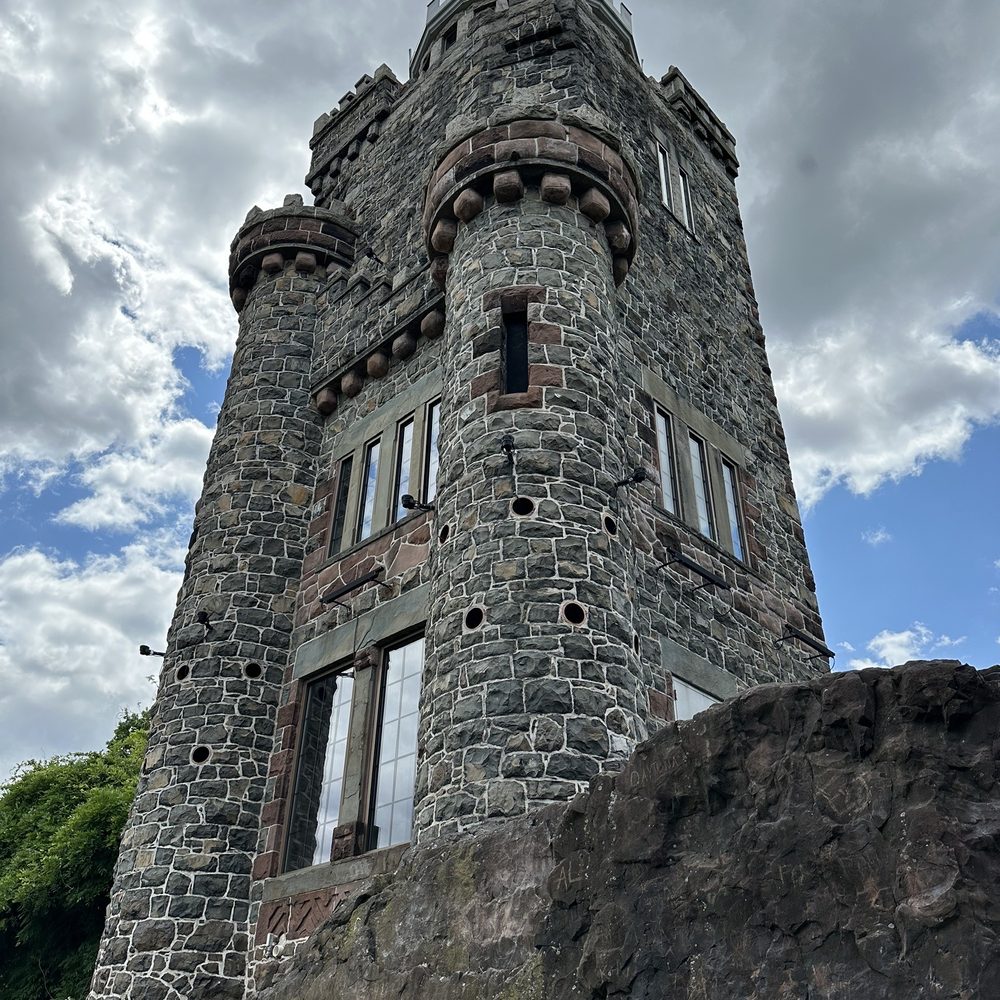
Revisiting Walden’s Monuments: A Walk Through Time and Community Legacy
In today’s rapidly changing world, our small towns continue to surprise us by holding onto symbols of history that narrate the tale of yesteryear. The Village of Walden, with its various historical structures and landmarks, is a living reminder that every building, statue, and monument contains hidden stories waiting to be uncovered. This opinion editorial takes a closer look at Walden’s monuments, sharing reflections on how these icons help form our community identity and serve as a foundation for future economic and cultural growth.
Preserving History: The Importance of Local Heritage Buildings
Many residents often pass by the old structures in Walden without considering the memories embedded within their walls. Consider the Jacob T. Walden House, a cornerstone of local history. Originally a residential structure dating back to the 1700s and later restored by the Historical Society, this building is now a symbol of resilience and community pride. Even though the structure sometimes presents tricky parts—such as deciphering the original owner or pinpointing its exact date of construction—the ongoing restoration efforts remind us of the intertwined nature of memory and material culture.
The historical restoration of this building raises several talking points: How do we preserve monuments that have seen better days without the confusing bits of lost artifacts, and how can modern renovations respect the legacy of the past? By addressing these questions, communities like Walden stand as examples of how revitalization can honor history while still serving a modern purpose.
A Closer Look at the Jacob T. Walden House
Walking into the territory around 34 North Montgomery Street, one cannot help but be intrigued by the Jacob T. Walden House. This two-story apartment, assembled in the late 1700s, became the home of the notable Jacob Walden during the early 1800s. Although many of its original artifacts have been lost over time, the Historical Society filled the void with furniture and photographs that offer a glimpse into what a home from that era would have embodied.
The restoration process wasn’t without its challenges, given that the house had faced deterioration over the centuries. The building, now boasting a new roof courtesy of a local remodeling company, Max Home Improvement, stands as a testament to community resolve. The curious questions about its original owner and the exact date of its construction add an extra layer of mystery and offer areas where future historians and local enthusiasts can dig into the little details.
Understanding the Role of Community Historical Societies
Historical societies play a crucial role in preserving our past. In Walden, the Historical Society of Walden and the Wallkill Valley have accumulated a wealth of knowledge about local monuments, and their monument walking tour serves as an excellent example of community engagement. This tour not only highlights the history behind each building but also brings together residents in a meaningful exercise of cultural enrichment.
Local historical societies contribute in several important manners:
- They help collect and preserve important data and artifacts from bygone eras.
- They encourage community participation through events such as walking tours and exhibits.
- They collaborate with local institutions for restoration projects that enhance both property values and local pride.
- They help make sense of the twisted issues in historical records by providing context and personal stories.
When local residents actively participate in these programs, the benefits extend far beyond mere nostalgia. They become super important drivers behind community bonding, local economic vibrancy, and the collective memory of the people.
The Resilience of the Soldier’s Monument: Honoring the Past
The 40-foot granite obelisk known as the Soldier’s Monument stands proudly in the center of the municipal square. Erected in 1890 and dedicated to the soldiers of the 124th New York Infantry Regiment, the monument does more than just mark a historical event. With names of key battles engraved on its surface, the obelisk serves several purposes. It stands as a reminder of the sacrifice and commitment of local heroes, ensuring that the legacy of the past is never forgotten.
As with many historical landmarks, the Soldier’s Monument faces its own set of tricky parts. Maintaining a structure of this size brings on edge issues—from weathering and wear to the proper conservation of engraved details. Local officials, alongside community groups, work together to keep these monuments from falling into disrepair, even when the process may seem overwhelming or even a bit nerve-racking.
Village Hall and Josephine-Louise Public Library: Melding Civic and Cultural Spaces
Located just a few feet from the Soldier’s Monument, the village hall, which also houses the Josephine-Louise Public Library, tells another interesting chapter of local history. Constructed in 1915, this building was originally a firehouse. Its multi-faceted past includes serving as a firehouse for Enterprise Steam, Fearless Hook & Ladder, and Orange Hose. This landmark sits as a reminder that buildings can evolve. Once the fire companies shifted operations in 1994, the structure found a new lease on life as a center for village meetings, municipal offices, and a public library.
What makes this transformation even more intriguing is the role played by Colonel Thomas Bradley. A local veteran and former congressman, Bradley not only conceptualized the building’s design but also generously supported its construction. His contributions, both in life and posthumously, helped establish a space where culture, remembrance, and civic operations could coexist harmoniously.
Alongside its practical functions, the village hall holds subtle historical details—a mounted head of a stag elk gifted in 1919 and a rare statue depicting a firefighter cradling a child. These art pieces, which might seem like minor details, add to the building’s layered narrative and serve as visual tokens of Walden’s storied past.
A Table of Walden’s Notable Historical Landmarks
| Landmark | Date/Period | Historical Significance |
|---|---|---|
| Jacob T. Walden House | Late 1700s / Early 1800s | Former home of Jacob Walden; restored to reflect period details |
| Soldier’s Monument | 1890 | Commemorates the 124th New York Infantry Regiment’s service during the Civil War |
| Village Hall & Josephine-Louise Public Library | 1915 | Originally a firehouse; transformed into a community hub with a library |
| Walden Post Office | 1925 | Federal building conceptualized by Congressman Bradley; includes an intriguing time capsule |
| McKinley Monument | 1924 | Statue honoring former President William McKinley, linking local industry with national history |
This table succinctly captures the details of each landmark, making it easier to find your way through the local history and appreciate the super important efforts behind their preservation.
Firemen’s Monument and Other Small-Scale Historical Artifacts
No historical tour of Walden would be complete without a mention of the Firemen’s Monument. Initially located in front of Walden’s Savings Bank on Main Street and later re-situated twice before its current location on the west side of the village, this bronze statue embodies the spirit of volunteerism. Sculpted in 1908 by DC Miller of Newburgh, the statue depicts a heroic firefighter holding a child, symbolizing both protection and care.
Along the path to the municipal building, the existence of functional fountains—once dedicated to residents, dogs, and even horses—adds another quirky chapter to Walden’s community history. These details, while they may seem like tiny or tangled issues in the broader context of urban development, remind us that history is built not only on grand edifices but also on the daily lives and small distinctions that secure our collective memory.
Walden Post Office: A Hub of Past and Present
The Walden Post Office, situated on Orange Avenue, is more than a place to drop off letters—it’s a piece of living history. Established in 1925 as part of Congressman Bradley’s vision, the facility was modeled after a building in Reading, Massachusetts, which he admired. The building, with its modest façade, carries within it a time capsule nestled in the cornerstone. Local staff believe that this hidden piece of history will one day be unearthed, offering fresh insights into Walden’s early days.
As residents pass by the post office, they are reminded of the key role government and civic projects play in shaping local identity. The building’s story is a prime example of how carefully preserving history can inspire future design and community projects. Moreover, the element of surprise provided by the time capsule adds a playful twist to a building that might otherwise be seen as a routine local institution.
McKinley Monument: Linking Local Industry with National History
The McKinley Monument, a statue dedicated to the 25th President of the United States, stands at the crossroads of tradition and modernity. Sculpted by Henry Hudson Kit in 1924, this monument was yet another generous gift of Colonel Bradley. It connects Walden’s local industry—particularly its cutting-edge cutlery trade—to national policy debates, such as the tariffs advocated by President McKinley. These tariffs were designed to protect local products from foreign competition, thereby fostering a unique industrial environment in Walden.
This monument also fuels discussions among local historians and community members about the overlapping interests of politics and local business. Some even speculate that Bradley’s personal encounters with McKinley might have added an extra layer of personal significance to the statue. Although these stories remain unconfirmed, they highlight how local history can be loaded with both verified memories and intriguing myths.
Community Engagement and Economic Impact: The Broader Picture
Beyond the historical narratives, Walden’s monuments have a significant economic and educational impact on the community. Local tourism often benefits from these walking tours, where residents and visitors alike can step away from everyday business and take a closer look at the landmarks that define the town. Such initiatives have a double-edged benefit: they educate people while also injecting economic activity into local businesses such as restaurants, cafes, and retail outlets.
Community engagement often brings forward exciting opportunities for economic growth, and the preservation of history plays a critical role in this process. Here are a few ways that local historical projects significantly contribute to economic wellbeing:
- Tourism Revenue: Walking tours and historical exhibits attract visitors, boosting local hospitality and retail sectors.
- Local Employment: Restoration projects call upon local contractors, artisans, and service providers, creating jobs and entrepreneurial openings.
- Educational Programs: Partnerships between schools and historical societies lead to educational tours and projects that enhance learning, providing a foundation for future talent in fields like history, architecture, and preservation.
- Community Investment: A well-preserved historical district often sees an increase in property values and local investments.
This community-driven approach to historical preservation reflects a broader trend of local residents finding their path through both cultural pride and economic empowerment. The shared story of Walden’s monuments cements a local identity that is full of historical pride and an eye on the future.
Intertwining Civic Pride with Historical Preservation
It is a profound sentiment that the pages of Walden’s past are filled with both struggles and successes. The monuments, each with its own story—from the restored Jacob T. Walden House to the commemorative Soldier’s Monument, the adaptive reuse of the village hall, and the whimsical yet meaningful Firemen’s Monument—collectively encapsulate the efforts of generations past and present. They provide tangible touchstones for residents who wish to get into their community’s history and understand the little twists that shaped their town.
This kind of civic pride does more than just look back; it lays a foundation for building a stronger future. As communities manage their way through the often intimidating process of historical restoration, they unearth stories and legacies that encourage further community involvement and reinforce a sense of belonging. Every monument, every plaque, and every restored building is a super important part of the ongoing narrative that makes a town like Walden uniquely resilient and culturally rich.
Benefits of Heritage Restoration Projects: Educational and Cultural Rewards
Heritage restoration projects are more than an act of beautification; they are educational investments in the future. For the local population, particularly students and young professionals, these projects provide numerous learning opportunities. Museums, guided tours, and interactive exhibits can transform an ordinary history lesson into an immersive experience. In turn, these educational moments inspire a new generation of local historians, architects, and policy-makers who can appreciate both the visible parts of heritage and the subtle details often missed by a casual observer.
Schools benefit from field trips to these locations, where history isn’t confined to a textbook but experienced hands-on. The restored historical sites offer a tactile lesson in the fine points of architecture, local governance, and the changing social fabric of a small town. Such experiences break down the intimidating barriers of historical research, making it more accessible and relatable to those who will someday carry the torch of community renewal.
How Local Monuments Serve as Economic Catalysts for Small Towns
From an economic perspective, historical monuments are a crucial asset for small towns. They are often a primary draw for visitors who contribute to the local economy by spending on food, lodging, and other services. When a community invests in preserving its historical sites, it is essentially investing in its own economic longevity. This investment creates a cycle where each restored structure not only beautifies the town but also secures a financial future by attracting external interest and recreational tourism.
Local business owners can hinge their marketing strategies on the charm and authenticity of these historical sites. A promotional campaign that combines the appeal of history with the convenience of modern amenities is incredibly effective in today’s tourism market. In essence, these heritage sites help bridge the gap between the past and present – a way to figure a path that honors tradition while bolstering economic activity.
Community Involvement: Building a Shared Future Around the Past
The success of historical preservation hinges not only on funding and policy but also on active community participation. When residents take part in events like the monument walking tour organized by the Historical Society of Walden and the Wallkill Valley, they are not merely observers—they are custodians of the town’s heritage. Attending these tours, volunteering for restoration projects, or even participating in local educational initiatives strengthens the community bond. It fosters a sense that history is not a relic of the past, but rather an ongoing, dynamic presence woven into everyday life.
Several key activities that promote this community involvement include:
- Public Lectures and Seminars: These are designed to unpack the tricky parts of historical records and share personal stories related to each landmark.
- Walking Tours and Exhibits: Organized events that invite locals and visitors to explore monuments and appreciate the hidden complexities of bygone eras.
- Volunteer Restoration Projects: Opportunities for community members to actively assist in the revitalization of historical sites, promoting both civic pride and practical learning.
- Local Business Partnerships: Joint initiatives between city officials, local contractors, and historical societies add an economic dimension to preservation efforts.
These collaborative efforts exemplify how the local community can blend cultural tradition with modern participation, ensuring that every restoration project is as much a celebration of the past as it is an investment in the future.
Challenges in Restoring Historical Monuments and Buildings
No restoration project is free from challenges. Each monument in Walden has experienced its own set of complicated pieces and twisted issues. For instance, restoring a centuries-old building like the Jacob T. Walden House means wrestling with the nerve-racking process of dealing with incomplete historical records, weather-related damage, and the loss of original artifacts. These obstacles make the restoration process seem overwhelming at times.
Moreover, the modern requirements of accessibility and safety standards can add additional layers of complexity. Balancing historical integrity with modern needs requires community leaders, architects, and historians to work closely together. Some of the exact challenges include:
- Historical Documentation: The absence of complete records often forces historians to piece together the building’s past from scattered archives and oral histories.
- Structural Limitations: Aging infrastructure may be riddled with problems that need targeted interventions without compromising the original design.
- Funding Constraints: Securing enough financial support can be off-putting, and small towns sometimes find it intricate to source funds from both governmental and private channels.
- Balancing Modern Functionality: Updating buildings to meet current codes and standards while retaining historical features is a tricky balancing act.
These challenges, albeit intimidating, also push communities to innovate and collaborate creatively. In many ways, these projects become a microcosm of the broader societal problem-solving needed in other sectors, such as business and industrial manufacturing.
Historical Preservation and the Broader Economic Outlook
From an economic standpoint, the process of restoring historical sites is intertwined with local business dynamics and even influences small business and entrepreneurship sectors. When restoration is approached as part of a broader strategy for economic development, every historical monument has the potential to spark new business opportunities. Local contractors, architects, and artisans benefit from increased demand, while tourism-related enterprises see a direct boost in activity. The transformation of historical venues into multipurpose spaces—hosting everything from public meetings to cultural events—illustrates how preserving history can simultaneously support modern economic goals.
Consider the following benefits:
- Boost in Local Commerce: Renovation projects often require supplies, labor, and professional services from local businesses.
- Increased Tourism: Enhanced historical sites attract tourists who are eager to spend time exploring and learning about the local narrative.
- Job Creation: Restoration projects create opportunities across various sectors, including skilled labor, administrative support, and creative industries.
- Enhanced Community Image: A town that values its history is more attractive to potential investors and new residents, leading to long-term growth.
This blend of historical preservation with contemporary economic strategies demonstrates that history is not just about the past—it shapes the intricate economy of the future as well.
Lessons from Walden: Policy Implications and Future Directions
The story of Walden’s monuments offers valuable lessons for local governments and policymakers alike. The collaborative efforts in historical restoration underscore the importance of having policies that support both heritage preservation and economic progress. Public investment in restoration projects does not simply serve as a nod to the past; it creates a ripple effect that improves public amenities, boosts tourism, and nurtures local pride.
Policymakers should consider the following points:
- Long-Term Investment: Offering consistent support for restoration and maintenance projects can result in steady economic and cultural returns.
- Collaborative Funding: Combining public funds with private sponsorships and community contributions is crucial for overcoming the nerve-racking challenges of large projects.
- Educational Integration: By aligning restoration projects with school curriculums and public history programs, local governments can ensure that future generations appreciate and continue the local legacy.
- Adaptive Reuse Initiatives: Policies that encourage adaptive reuse of historical buildings—turning them into community centers, museums, or co-working spaces—can revitalize neighborhoods while preserving their character.
These policy directions are not only practical but necessary for small towns seeking to bridge the gap between past traditions and future ambitions. The experience of Walden serves as a powerful blueprint for how local governments can make smaller communities a part of broader historical and economic narratives.
Conclusion: Embracing the Legacy to Build a Collective Future
In conclusion, Walden’s historical monuments are more than relics frozen in time; they are living symbols of a community that values its collective memory and strives to integrate the past with the present. From the restored Jacob T. Walden House and the soaring Soldier’s Monument to the adaptable village hall, Firemen’s Monument, thriving post office, and the intriguing McKinley Monument, each landmark provides insights into the small, hidden details that define a community’s spirit.
For residents and visitors alike, these icons remind us that our shared history is an essential part of what makes our towns unique. They serve as a compass to find your way through the intertwining narratives of local heritage, reinforcing the idea that history is a repository of wisdom, a guide for economic rejuvenation, and a cherished cultural asset.
When communities work together to preserve and celebrate these mixed legacies—despite the overwhelming challenges, tangled issues, and intimidating aspects of such projects—they set an example for neighboring towns and beyond. Ultimately, civic pride, forward-thinking policies, and a collective sense of responsibility ensure that the legacy of historical monuments not only survives but thrives, bridging the gap between what was and what can be.
This opinion editorial hopes to shed light on the super important role that historical landmarks play in the community’s evolution. By taking a closer look at these structures and understanding their economic, educational, and cultural impacts, we find that our small towns are not just relics of the past but living, breathing entities that grow stronger with every preserved wall and every shared story.
The tale of Walden’s monuments is far from over. As community groups, policymakers, and local businesses continue to chip away at the confusing bits and work through the nerve-racking challenges of restoration, Walden’s legacy stands as a testament to the power of history embraced and shared. In a time when both business and culture are in constant flux, the story of Walden serves as a bright reminder: our shared past is the bedrock upon which a promising future is built.
For those interested in history, economic development, and community resilience, Walden offers countless lessons in blending the old with the new. As you take a closer look next time you pass by one of these monuments, consider not only the physical structure but the untold stories, the local collaborations, and the dreams for tomorrow that each stone, statue, or refurbished building encapsulates.
In summary, whether you are a history buff, a local business owner, a policymaker, or simply a curious citizen, Walden’s journey through time reminds us all that preserving our heritage is not a quaint indulgence of the past—it is a super important, key investment in our collective tomorrow. Let us all be inspired to support historical preservation in our own communities, ensuring that our rich heritage remains an accessible and treasured asset for future generations.
Originally Post From https://www.timeshudsonvalley.com/wallkill-valley-times/stories/learn-more-about-waldens-historical-monuments,196725
Read more about this topic at
Walden, NY 12586 – Yelp
THE 10 BEST Things to Do in Walden (2025)

