
The Unexpected Incident on SE Pine Street: A Wake-Up Call for Roseburg
In the early hours of Monday, October 20, 2025, Roseburg residents were startled by an unexpected disruption. A natural gas line rupture on SE Pine Street quickly turned into a full-blown emergency situation, highlighting the tricky parts of maintaining safe urban infrastructure. As emergency responders rushed to the scene, the community was forced to face the unsettling reality that even in a relatively calm day, unforeseen hazards can quickly turn our neighborhoods upside down.
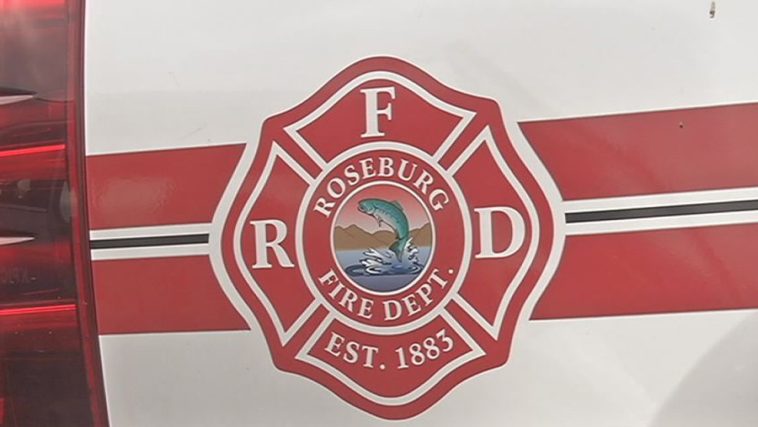
The incident, which occurred just after 8 a.m., involved a 4-inch natural gas pipeline that, once compromised, set off a series of necessary and immediate safety checks. Roseburg Fire Department personnel acted swiftly, establishing a command post at the scene, monitoring air quality, and coordinating the evacuation of a nearby Unemployment Office. Despite the rush of events, the firefighters and utility crews showcased their ability to work through complicated pieces of crisis management in real time.
Community Safety Measures: Evaluating Roseburg’s Response
When emergencies hit, the quick and efficient response of local services can save lives and prevent further damage. In Roseburg, this most recent incident has stirred discussions about the effectiveness of existing safety protocols and what more could be done to ensure public safety.
Emergency Preparedness and Rapid Response
At the heart of any urban emergency is the need to figure a path through multiple tasks at once. In this case, Roseburg Fire Department had to:
- Set up a command post promptly.
- Determine the extent of the gas leak with immediate air-quality checks.
- Coordinate the safe evacuation of adjacent buildings, especially public service offices.
- Control nearby traffic by setting up effective rerouting measures.
These measures were not only essential in managing the immediate risk from the natural gas leak but also played a crucial role in restoring the area back to normal within a few hours. The efforts of the emergency teams underscore how falling back on well-practiced procedures can minimize the impact of what might otherwise have been a nerve-racking situation.
Making Your Way Through Uncertainty: The Role of Utility Companies
Utility companies, like Avista Utilities, have the onus of maintaining safe, durable infrastructure beneath our everyday urban surfaces. However, as the incident on SE Pine Street revealed, there are hidden complexities in managing underground utilities that can sometimes translate into risky situations for communities.
Utility management in modern cities involves its fair share of twisted issues such as aging infrastructure, unpredictable soil conditions, and the challenges of retrofitting older systems to meet today’s safety standards. The event in Roseburg should spur utility companies to focus on:
- Regular maintenance schedules for underground pipelines.
- Up-to-date safety protocols and training for their employees.
- Investments in modern technologies that can detect early signs of wear or damage to the system.
By tackling these challenges, utility companies can help prevent outbreaks of incidents in the future and make our communities a safer place to live.
Understanding the Bigger Picture: Infrastructure in American Municipalities
The gas line rupture in Roseburg is not an isolated incident. Across the United States, cities and towns grapple with the trickier parts of aging infrastructure and the nagging worry that the hidden complexities of utility services may create hazards at any time.
Statewide Infrastructure: A Balancing Act
Across Oregon and in many states, the balancing act between maintaining aging infrastructure and investing in new, safer technology is a constant struggle. Local governments and utility companies are continually wrestling with how to effectively allocate limited resources to update the systems we take for granted every day. Here are some of the small yet key points that play into this challenge:
- Budgetary Constraints: Limited funding often means that upgrades and maintenance are put off until a major problem arises.
- Regulatory Scrutiny: Evolving local and federal regulations require frequent updates to operational protocols, which can be overwhelming for smaller municipalities.
- Community Impact: Costly repairs or conversions may lead to temporary disruptions, leaving residents and local businesses to steer through uncertain times.
While many community members remain unaware of the beneath-the-surface efforts that keep their neighborhoods running, events such as the gas line rupture in Roseburg remind us that there is a delicate interplay between public safety and infrastructure management.
Lessons Learned and Future Strategies
As difficult as such events are to experience, they also serve as poignant reminders of how important it is for communities to stay informed about the hidden complexities of their infrastructure. Policy makers and utility managers must actively work on the following:
- Enhanced Monitoring Systems: Investing in real-time sensor technologies can alert authorities to potential issues before they escalate into emergencies.
- Public Awareness Campaigns: Educating residents about the signs of utility issues and how to report them creates an added layer of community safety.
- Coordinated Response Drills: Regular drills that involve emergency services, local government officials, and utility companies can help smooth out the process during an actual emergency.
By taking the wheel on these proactive measures, cities like Roseburg can not only minimize the damage caused by such events but also restore public trust in the systems designed to keep them safe.
Safety First: The Importance of Underground Utility Awareness
One of the key messages coming out of the recent incident is the critical need for increased caution around underground utilities. Whether you’re engaging in a routine home improvement project or starting a new construction venture, being aware of what lies beneath is super important.
Practical Steps for Homeowners and Contractors
Before any digging begins, especially in established neighborhoods, it is essential to follow these practical steps:
- Call 811: This number connects you with local authorities who can provide precise information about your underground utility lines.
- Visit Reliable Sources: Websites such as www.digsafelyoregon.com offer guidelines and maps to help you identify where utility lines are located.
- Hire Professional Services: Engage professionals who have the expertise to handle potential hazards during site work, ensuring that all necessary precautions are taken.
Educating the public on these necessary precautions helps limit the risk of accidental damage and keeps communities out of harm’s way when routine works take place.
The Role of Government and Industry in Promoting Safety
Local authorities and venture leaders—whether in construction or municipal planning—have a shared responsibility in dealing with these tricky parts of urban life. By working together, government bodies and the private sector can better manage hidden issues such as:
- Utility Mapping and Documentation: Ensuring that all underground utilities are thoroughly documented and updated on a regular basis.
- Safety Inspections: Regular audits of infrastructure to identify potential points of failure before they result in emergencies.
- Community Outreach: Offering workshops and educational sessions that inform citizens about safety protocols concerning underground utilities.
Such coordinated efforts can ease the tension felt by residents who might otherwise worry about the unpredictability of infrastructural faults. It is through constant vigilance and communication that communities with tight budgets and confusing decision-making processes can enjoy both growth and safety.
Economic Implications: How Unplanned Disruptions Affect Local Business
For small businesses, industrial manufacturing plants, and a growing industry of electric vehicles and automotive services, any interruption—no matter how brief—can have ripple effects on the local economy. The gas line rupture on SE Pine Street offers an illustrative case study for how unplanned disruptions can derail daily operations and complicate planning for the future.
Immediate Economic Impact on Local Businesses
The sudden closure of streets and evacuation orders meant that several local businesses in the area had to halt their operations. For these small enterprises, a few hours of disruption can lead to significant financial losses, both in terms of missed sales opportunities and potential damage to property. Business owners in Roseburg may now face:
- Delayed Deliveries: Interruptions in transit routes lead to delays in receiving goods that are critical to business operations.
- Reduced Foot Traffic: Especially for retail outlets, the temporary evacuation can drastically lower consumer interactions.
- Increased Costs: Emergency repairs and the subsequent investigative processes often lead to unplanned expenses.
Business leaders in the area are now pressed to figure a path through the aftermath and institute measures that can help mitigate similar issues in the future.
Long-Term Economic Concerns and Resilience Strategies
While the immediate economic shock of infrastructure failures is evident, the more significant worry is how such events can strain long-term economic growth. Local municipalities and business associations need to work collaboratively to build resilience against these unexpected hiccups. Some strategic approaches might include:
- Diversifying Supply Chains: Ensuring that businesses do not depend solely on one route or system can alleviate delays when unexpected closures occur.
- Investing in Insurance: Businesses may benefit from tailored insurance policies that cover losses due to infrastructural mishaps.
- Developing Emergency Business Continuity Plans: Having a pre-planned strategy can help small business owners and larger corporations have a smoother transition in times of crisis.
By taking the wheel on these resilience strategies, local authorities, utility companies, and business leaders can collaborate to create an environment where economic growth is sustained even in times of emergency.
Lessons for Municipal Leaders: Strengthening Regulatory Frameworks
The Roseburg incident serves as a case in point for why municipal leaders must pay attention to, and work on, updating regulatory frameworks governing urban utilities. Lawmakers have a responsibility to address the tangled issues that often arise from outdated safety standards and insufficient oversight.
Policy Updates and Oversight Mechanisms
The following points highlight some of the key policy areas that need a critical review in light of events like the gas line rupture:
- Regular Infrastructure Audits: Conducting frequent and thorough inspections of underground utilities can uncover hidden problems before they escalate into emergencies.
- Clear Communication Channels: In emergencies, clear and direct communication between the fire department, utility companies, and city officials is essential to ensure swift responses.
- Enhanced Training Programs: Investing in comprehensive training for those tasked with handling infrastructural emergencies can lead to smoother management of the situation on the ground.
Municipal leaders need to take the time to poke around the existing policies and find your way towards systems that are more resilient. Updating codes, regulations, and safety protocols might seem like a nerve-racking task, but it is a necessary step towards preventing future disasters.
Government and Industry Collaboration: A Must-Have Component
Coordination between government agencies and private industry plays a key role in managing the small yet significant details that underpin urban safety. Public-private partnerships can be particularly effective in ensuring that:
- Investments in Infrastructure: Combined efforts allow for sustained funding that not only addresses current issues but also plans for future technology adoption.
- Enhanced Crisis Response: Regular joint drills and communication sessions can ensure that everyone from firefighters to utility workers knows exactly what to do in the event of an incident.
- Community Engagement: Inviting feedback from residents and business owners provides insights into areas that need improvement, offering a well-rounded approach to public safety.
As policy makers refine these oversight mechanisms, the goal remains constant: reducing the frequency and severity of disruptions that cast a shadow over local economies and community well-being.
The Impact on Public Trust: How Incidents Shape Community Perceptions
Every major incident, including the gas line rupture on SE Pine Street, influences public perceptions of government and utility providers. Residents often find themselves caught in the middle of contradictory signals—on one hand, the rapid response of emergency services; on the other, the lingering anxiety of what could have been a much more dangerous outcome.
Trust in Emergency Services and Local Government
When emergencies occur, the immediate priority for many residents is trust. They need to believe that their local services can manage the situation effectively. In Roseburg, while the RFD’s prompt action certainly saved the day, it also spotlighted some of the confusing bits inherent in emergency communication. For instance:
- Communication Gaps: In the early moments of the crisis, information can be scarce or contradictory. This creates nerve-racking moments for residents trying to understand what is happening.
- Community Confusion: The sudden closure of streets and rapid evacuations, while necessary, often leave residents uncertain about when it will be safe to resume daily activities.
- Expectations of Accountability: Public trust is maintained not only through effective on-scene responses but also through transparent follow-up actions and clear communication about the cause of the incident.
These issues underscore the need for local governance and emergency services to work on building robust communication networks. Only by doing so can they ensure that residents have clear, reliable information during emergencies and are reassured that every possible action is taken to secure their environment.
Strategies for Rebuilding and Maintaining Trust
Given the disruptions and the understandable public anxiety, rebuilding trust becomes essential. Here are some strategies that municipal agencies and utility providers can consider:
- Enhanced Public Briefings: Regular, clear updates about ongoing investigations and forthcoming preventive measures can reassure residents that incidents are taken seriously.
- Community Outreach Programs: Hosting public forums and organizing safety workshops can empower citizens with the knowledge they need to recognize and report small signs of infrastructural problems before they escalate.
- Post-Incident Reviews: Publishing detailed accounts of what went wrong, along with corrective action plans, can show accountability and help to restore faith in local systems.
These initiatives are essential not only in the eyes of the public but also as a self-regulatory mechanism for local services to continuously improve upon their own processes.
Broad Insights: Rethinking Urban Infrastructure Safety in the 21st Century
The unfortunate events in Roseburg remind us that the battle to maintain urban safety is ongoing. As cities expand and infrastructure ages, the balance between progress and safety becomes even more delicate. It is crucial for communities, local governments, and industries alike to engage in a dialogue that fosters shared responsibility for safety in our everyday lives.
Modern Challenges and Technological Advancements
Technology today offers super important tools that can mitigate many of the twists and turns associated with managing critical infrastructure. These tools help community leaders and utility managers take a closer look at where problems might lurk. Some noteworthy advancements include:
| Technological Tool | Application | Benefits |
|---|---|---|
| Real-Time Sensors | Monitoring pipeline pressures, gas leaks, and environmental conditions | Early detection of issues, prompt alerts, reduced risk of major disruptions |
| Geospatial Mapping | Accurate mapping of underground infrastructure | Better planning for construction and maintenance, reduced accidental damage |
| Data Analytics | Predictive maintenance based on historical data | Improved planning, cost savings, prevention of future incidents |
By adopting these tools, municipal authorities can work through the challenging parts of modern infrastructure management more efficiently. The key is to integrate these advanced technologies into everyday practices, ensuring that even the smallest warning signs do not go unnoticed.
Collaboration Between Traditional Methods and Digital Innovations
While technology provides impressive new tools, there still remains a significant value in tried-and-true methods of crisis management. The human element—experienced personnel on the scene—remains indispensable. The best approach involves a blend of technology with the experience and judgment of seasoned professionals. This collaborative model can include:
- Field Training using Digital Simulations: Emergency responders can engage in virtual reality drills that simulate complex scenarios, helping them get into the nitty-gritty of managing a real situation.
- Integration of Mobile Apps: Providing first responders with apps that relay live data from sensors and mapping tools helps them make informed decisions on the ground.
- Cooperative Workshops: Regularly scheduled sessions that bring together experts from utility companies, city planning, and emergency services can foster better coordination during actual emergencies.
This combination of methods ensures that while technological progress can help ease the twists and turns inherent in urban management, the critical judgment of experienced personnel remains at the forefront.
Looking Ahead: Building a Safer Future for Roseburg and Beyond
The gas line rupture on SE Pine Street should serve as a catalyst for change—a reminder that our everyday conveniences require maintenance, foresight, and a proactive stance toward safety. While the immediate challenge has been addressed and the streets reopened, the incident leaves behind valuable lessons for managing city infrastructure more effectively.
Integrating Proactive Maintenance in Municipal Planning
Municipal planners must now take a closer look at how to weave proactive maintenance into the overall fabric of city management. Essential considerations include:
- Prioritizing Critical Infrastructure: Identifying areas where neglected maintenance could lead to dangerous breakdowns, and ensuring those areas are given special attention.
- Regular Audits and Updates: Implementing a schedule for routine audits of all major utility lines to catch problems early.
- Community Involvement: Engaging local residents through town hall meetings and online platforms to report issues and offer feedback on the state of city infrastructure.
These measures will help ensure that while economic growth continues and communities evolve, the safety of residents remains a top priority.
Economic and Social Benefits of Strengthened Safety Protocols
Strengthening safety protocols is not just a matter of public welfare—it also has far-reaching economic and social benefits. When residents feel secure in the reliability of their city infrastructure, local businesses flourish, and the overall cost of insurance and emergency repairs can be significantly reduced. These benefits include:
- Enhanced Business Confidence: Reducing the likelihood of unexpected shutdowns allows businesses to operate smoothly, contributing to a more robust local economy.
- Social Well-being: Increased safety around public infrastructure fosters a sense of community and trust among residents, which in turn encourages civic engagement.
- Cost Savings: Preventative maintenance considerably lowers the cost of emergency interventions and long-term repairs, money that can be reinvested into further improvements.
By realizing and acting on these benefits, municipal leaders and utility companies can create a safer, more resilient urban environment that benefits everyone—from individual residents to large industrial manufacturers.
A Cautionary Tale with a Promising Outlook
The recent events on SE Pine Street encapsulate the myriad challenges that come with maintaining an urban landscape. While the immediate effects were both intimidating and nerve-racking, the incident also provided an opportunity for reflection on how to manage and reduce such risks in the future. It is a story of both caution and optimism—a reminder that while the twists and turns of infrastructure management can be daunting, they also pave the way for critical improvements and innovative collaborations.
Embracing a Culture of Safety
What remains most important is cultivating a culture where safety is seen as a continuous, shared responsibility. Whether it is local government officials, utility companies, small business owners, or individual residents, everyone must contribute to the goal of building a secure urban environment.
This involves:
- Staying informed about potential hazards and the steps needed to mitigate them.
- Actively cooperating with emergency services and local authorities during incidents.
- Investing time and resources into small, yet essential, safety measures that protect community infrastructure.
While challenges remain—riddled with issues and loaded with potential for unexpected disruptions—the proactive steps taken in the wake of the SE Pine Street incident can serve as a model for other cities facing similar circumstances.
Final Thoughts: Charting a Safe Course Forward
In conclusion, the gas line rupture on Roseburg’s SE Pine Street is more than just a local news event. It is an emblem of a much larger conversation about urban safety, infrastructure management, and economic resilience. As communities across the country strive to manage the tangled issues inherent in aging infrastructure, the importance of clear communication, proactive maintenance, and integrated technological solutions cannot be overstated.
We all have a role to play in finding our way through these challenging parts—be it through regular public updates, participation in community safety initiatives, or simple yet essential precautions before any digging project. In doing so, we not only protect our immediate surroundings but also contribute to the long-term economic and social well-being of our cities.
Looking to the Future: A Community United by Safety and Progress
As we reflect on this incident, it becomes clear that while emergencies are often unpredictable, the response and subsequent reforms offer a beacon of promise. By learning from the past and embracing modern, innovative strategies, Roseburg can emerge stronger and more resilient. The journey to a safer future is ongoing, and every incident—no matter how small—serves as a reminder of the critical importance of vigilance and preparedness.
Now, more than ever, it is essential for all stakeholders to rally around the shared commitment of making urban spaces safer. Whether you are a business owner, a resident, or a policy maker, remember that the next time you see a call to 811 before embarking on a project, you are not just following protocol—you are taking part in a collective effort to protect our communities.
Key Takeaways and Actionable Steps for a Safer Tomorrow
To wrap up, here are some actionable steps that can help renew faith in urban safety and infrastructure management:
- Stay Educated: Regularly update yourself on local utility maps and safety protocols.
- Engage Locally: Attend community meetings and public safety workshops to understand what measures are in place and offer your input.
- Embrace Technology: Support local initiatives that integrate modern technological tools for improved safety monitoring.
- Foster Communication: Encourage clear, transparent communication between local government agencies, utility companies, and the community.
- Prioritize Preventative Maintenance: Advocate for regular infrastructure audits and investments that preempt risks rather than react to them.
By adopting these practical strategies, we can ensure that incidents like the gas line rupture on SE Pine Street prompt not only immediate responsive measures but also lasting improvements for our communities.
Ultimately, the lessons learned from this incident provide us with a unique opportunity to revamp our approach to urban infrastructure safety. With commitment, innovation, and a shared responsibility, we can look forward to a future where emergencies are managed with precision and the underlying causes are effectively addressed—ensuring that Roseburg, and cities like it, remain safe, vibrant, and economically resilient for years to come.
Originally Post From https://kpic.com/news/local/gas-line-rupture-prompts-evacuation-and-traffic-reroute-in-roseburgs-se-pine-street-area
Read more about this topic at
List of pipeline accidents
San Bruno pipeline explosion