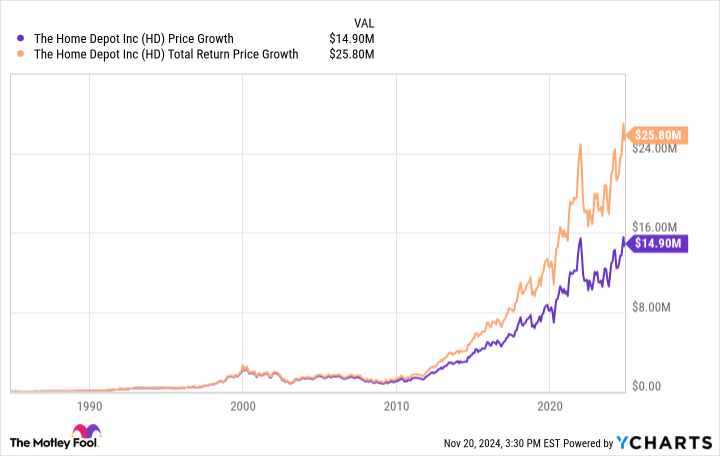
Exploring Home Improvement Stocks as Market Indicators
The home improvement sector has recently captured the attention of many investors, and for a good reason. In a world where consumer spending and housing activity are intertwined, home improvement stocks offer a unique glimpse into broader economic trends. This opinion editorial looks at how these stocks not only reflect the current state of the market but also indicate future trends for small businesses, industrial manufacturing, and consumer finance.
Beyond just numbers and trading volumes, these stocks shed light on the broader picture of spending on residential renovations, the housing market, and even shifts in consumer behavior. Our discussion will take you through tangled issues, subtle details, and the fine points of why companies like Home Depot, Lowe’s Companies, and Masco deserve a closer look by investors and homeowners alike.
Understanding Consumer Spending and Housing Activity
The home improvement sector is often considered a mirror of consumer disposable income and confidence in the housing market. When families invest in renovations or even minor home upgrades, it can signal that they are comfortable with their financial situation. At the same time, these investments hint at the health of the broader housing market, including home sales and remodeling cycles.
Several factors contribute to this connection. Interest rates, seasonal trends, and even local market conditions all play a role in how much money consumers have to allocate to home projects. The often nerve-racking task of deciding where and when to spend can be influenced by fluctuating economic conditions, making it essential to keep an eye on any changes in the home improvement stock sector.
Home Improvement Stock Investment Trends: A Closer Look
Observing home improvement stocks provides a window into the mind of the average investor. Looking at both the giants and smaller niche players gives us a comprehensive view of the market. In particular, stocks with significant trading volumes have started to stand out as essential indicators during these times of economic flux.
For instance, the surge in share activity in companies that provide tools, materials, or construction services correlates with a rising consumer interest in DIY projects. When people are engaged in hands-on home renovations, investments in these companies tend to spike. The intricate but fascinating interplay between consumer habits and stock performance is one that investors must understand to effectively work through the stock market’s twists and turns.
Spotlight on Industry Leaders and Their Strategic Moves
Several large players dominate the home improvement arena, each with its distinct tactical approach. Let’s take a closer look:
- Home Depot (HD): As the largest home improvement retailer, Home Depot not only sells materials and tools but also offers services like installations. Their robust presence is a key driver that maintains consumer trust even during economic downturns.
- Lowe’s Companies (LOW): With a wide-ranging product portfolio from lumber and flooring to modern appliances, Lowe’s is a strong competitor. Its adaptability in providing seasonal and year-round products makes it a favorite for many investors.
- Masco Corporation (MAS): Specializing in high-quality building products, Masco has cemented its position by focusing on both design and function. Their diversified offerings help stabilize performance amid fluctuating market conditions.
These companies, with their massive trading volumes, have recently been in the spotlight for responding well to shifts in economic trends. Their ability to steer through both minor setbacks and significant economic challenges demonstrates their resilience in the face of confusing bits and off-putting market volatility.
Examining Consumer Confidence Through Home Renovation Cycles
Home renovation cycles often reveal much about consumer confidence. When homeowners are willing to commit their funds to remodeling projects, it is a sign that they expect further appreciation in property values or are simply eager to enhance their living standards.
These renovation cycles are not random. They follow a pattern influenced by seasonal weather changes, fiscal calendars (such as tax refunds), and even shifts in popular culture, where home aesthetics gain prominence through television shows or social media trends. It is this mix of predictable patterns and unexpected changes that makes home improvement stocks so dynamic and interesting.
The Role of Specialized Financial Services in Home Improvement
While major retailers dominate much of the mainstream market, there exists a fascinating world of companies providing specialized financial services that cater directly to the home improvement sector. Medallion Financial Corp. is one such example. By focusing on home improvement lending, Medallion Financial allows consumers to access funds for projects that may otherwise seem overwhelming. Their targeted loan products help bridge the gap between consumer needs and available capital, enabling homeowners to maintain or upgrade their properties.
This service is especially important in times where traditional credit sources may be more expensive or less accessible. Specialized financial institutions that offer tailored financial products help make home renovations more attainable. As investors consider adding these niche players to their portfolios, it’s important to note how these alternative financing options provide both revenue stability and growth potential amidst a shifting economic landscape.
Navigating the Market with Niche Builders and Suppliers
Not all companies in the sector are giants. Smaller niche players also offer unique opportunities for investors. Jewett-Cameron Trading and ToughBuilt Industries provide a wide range of products that are essential for the specialized aspects of home improvement and construction.
Jewett-Cameron Trading, for instance, plays a pivotal role in supplying value-added building materials to the major home improvement centers of the Western United States. Their focus on the residential repair and remodeling niche positions them as an important link between large retail chains and the end consumer. Meanwhile, ToughBuilt Industries specializes in creating innovative construction and home improvement products. Their offerings, from tool pouches to storage solutions, are critical for contractors and DIY enthusiasts who demand both quality and convenience.
These companies may not have the same scale as Home Depot or Lowe’s, but their agility and specialized product lines offer a balanced portfolio option. When major players face minor setbacks, these niche providers often continue to perform well by catering to specific market needs.
How Digital Tools Are Shaping Home Improvement Investing
The digital revolution has transformed almost every aspect of investing, including how investors select home improvement stocks. Today, advanced online research tools, stock screeners, and dedicated financial platforms simplify the process of tracking market trends. Sophisticated tools allow investors to sort out the fine shades of market data, ensuring that even subtle differences in performance can be easily understood and acted upon.
A table below shows examples of digital tools that can assist investors in choosing the right stocks in the home improvement sector:
| Tool | Function | Benefit |
|---|---|---|
| Stock Screener | Filters stocks based on criteria | Helps pinpoint top performers |
| Dividend Calculator | Estimates future dividend payouts | Assists in assessing revenue streams |
| Analyst Ratings | Provides ratings from top analysts | Enables informed decision-making |
| Real-Time Market Data | Tracks live trading volumes and price changes | Keeps you updated with the latest trends |
Digital tools not only help in tracking stock performance but also enable investors to find their way through the fine details of company fundamentals, market positioning, and consumer trends. With so many resources available, investors today have greater access to the nitty-gritty of the market’s workings than ever before.
Charting a Path Through the Home Improvement Stock Sector
Investing in home improvement stocks can often feel like trying to steer through a maze of confusing bits and tricky parts. However, there are strategies that investors can adopt to figure a path in this market void of any overly complicated pieces. One of the most important strategies is diversification, which means not putting all your eggs in one basket.
To help illustrate, here are a few bullet points summarizing critical steps for managing your way in the home improvement stock sector:
- Do Your Homework: Always perform careful research before investing. Look into each company’s history, market performance, and future prospects.
- Diversify: A balanced portfolio that includes big players like Home Depot as well as niche suppliers like ToughBuilt Industries can minimize risks.
- Review Market Data Frequently: Use digital tools and regular market analysis to stay updated on the latest trends.
- Understand Economic Influences: Changes in interest rates, consumer spending, and even seasonal trends can impact stock performance.
- Consult Expert Opinions: Read what financial analysts and market experts have to say about future trends in the sector.
These steps might seem overwhelming at first, but focusing on the essential details and sticking with a well-thought-out strategy can help you get around the tricky parts of stock investing in this sector. It’s all about balancing risk with opportunity and recognizing that even the smaller players in the home improvement realm can have a significant impact.
Evaluating the Impact of Economic Trends on Home Improvement Stocks
The dynamics of the overall economy play a key role in shaping the home improvement market. For example, an economic slowdown typically results in cautious spending, which can directly influence the volume of home renovations and improvements. With fluctuating market conditions, investors must take into account both long-term trends and short-term volatility.
Current global economic events, such as shifts in government policies, interest rate adjustments, and even geopolitical uncertainties, can create nerve-racking market conditions. It is essential to take a step back and look at the bigger picture. When the economy faces moments that are both overwhelming and uncertain, industries closely tied to consumer behavior, like home improvement, often become a reliable gauge of long-term economic health.
Managing Risks and Opportunities in a Shifting Market
No investment landscape is without its share of potential pitfalls. Home improvement stocks, while generally reflective of consumer sentiment, are not immune to the challenges that come with economic fluctuations. Investors must be prepared for both the subtle details that can boost growth and the unpredictable twists that can cause dips in performance.
Below is a bulleted list highlighting some potential risks and complementary opportunities within the sector:
- Risks:
- Fluctuations in consumer spending based on economic outlook
- Seasonal variations that can lead to temporary dips in stock performance
- Supply chain disruptions that impact product availability and sales
- Increased competition from online retailers and e‑commerce pathways
- Regulatory changes that may alter market conditions
- Opportunities:
- Emerging renovation trends driven by social media and influencer culture
- Innovative product lines and technological upgrades that appeal to modern consumers
- The growing shift toward sustainable and environmentally friendly building solutions
- Increased demand for quality and craftsmanship in home construction and remodeling
- Expansion into new markets both domestically and internationally
While these risks can be intimidating at first glance, they must be carefully weighed against the opportunities. Investors looking to find success in the home improvement stock arena should take the time to dig into each company’s fundamentals and leadership strategies. This calculated approach allows them to work through and sort out even the most nerve-racking market changes.
Dive into the Potential of the AI and Technology Integration
The future of home improvement investing might not only be about hammers and nails. The integration of artificial intelligence and smart technology within home improvement tools and services is poised to create entirely new market trends. Whether it’s AI-driven design tools that help homeowners visualize renovations or smart systems that optimize energy use, these innovations represent a critical, super important addition to the traditional market.
Investors are beginning to recognize that companies integrating advanced technology into their services could have a competitive edge in the long term. The next phase of growth in the home improvement space may very well be intertwined with the rapid advancements in digital technologies. By combining traditional craftsmanship with modern innovation, companies are better equipped to address subtle shifts in consumer demand and the fine shades of technology adoption.
Home Improvement Stocks and the Broader Economic Outlook
With the constant evolution of market conditions, it becomes increasingly important to keep an eye on the broader economic picture. How does a rise in interest rates affect consumer confidence in large-scale home renovations? What role do government housing policies play in driving renovation cycles?
In many cases, home improvement stocks have proven to be a reliable proxy for overall economic health. When home improvement sales are robust, that is often a sign that the economy is stable enough to encourage discretionary spending. However, even in tense economic environments, strategic planning and careful investment in diversified companies can help mitigate the impact of any temporary downturns.
The interplay between local market conditions and national economic trends means that investors need to make their way around not only national policies but also regional specifics. Whether it’s understanding the seasonal pattern of home upgrades or predicting the subtle details of market shifts, investors must gently navigate a myriad of factors that come together to shape the performance of these stocks.
Key Strategies for Investing in Home Improvement Stocks
As with any sector, having a strategic approach to investing in home improvement stocks is essential. Here are some steps that can help investors figure a path through the challenging but promising landscape:
- Focus on Reliable Data: Use updated market data, analyst ratings, and digital tools to keep track of performance trends.
- Set Clear Investment Goals: Whether you’re investing for long-term gains or short-term returns, having a defined goal helps manage your expectations.
- Diversify Your Portfolio: A mix of giants, niche players, and even promising tech stocks can help balance your risk exposure.
- Stay Informed on Economic Trends: Keeping abreast of changes in interest rates, consumer spending habits, and supply chain challenges can help you anticipate market shifts.
- Review Company Fundamentals: Analyze earnings reports, market share, and growth strategies to ensure that each company in your portfolio is positioned to weather both the obvious challenges and hidden complexities.
These strategies are designed to help investors make sense of the inherent twists and turns of the market, ensuring that even when delays occur or external economic forces come into play, there’s a reliable path forward in building equity and stability.
The Interplay of Digital Innovation and Traditional Retail
Even as traditional retail stores continue to rely on brick-and-mortar operations, digital innovation is rapidly transforming the way consumers interact with home improvement retailers. The rise of e‑commerce platforms, mobile applications, and digital financing tools plays a crucial role in how major players in the industry connect with their customers. This blend of traditional retail with modern technology enhances both customer engagement and operational efficiency.
On one hand, the physical experience of browsing through a store or seeking personalized advice remains an essential part of the shopping experience for many homeowners. On the other, the digital aspects—ranging from online product reviews to virtual design consultations—are enhancing the ease with which renovations can be planned and executed. Investors looking at home improvement stocks need to recognize how this integration of technology can create new revenue streams and improve profit margins.
For example, companies that can seamlessly merge in-store services with online tools are often in a better position to manage through confusing bits and manage your way around sudden market changes. Recognizing and investing in this dual approach can lead to a more robust portfolio that can handle both traditional demand and the growing influence of digital consumer behavior.
Fostering a Resilient Portfolio in Uncertain Times
In an era of economic fluctuations and unpredictable market conditions, building a resilient investment portfolio is on every investor’s mind. Home improvement stocks, with their intrinsic link to everyday consumer behavior, offer a diversified investment option that can withstand both slow periods and explosive growth cycles.
Here are some key aspects to consider when developing a resilient portfolio:
- Adaptability: Look for companies that demonstrate flexibility in their products and services, able to adjust to seasonal or economic shifts.
- Balanced Exposure: Incorporate both stable, large-cap companies and smaller, nimble niche players to spread risk evenly.
- Regular Portfolio Reviews: The market can shift quickly; hence, periodic reviews help ensure that your portfolio remains aligned with your long-term goals.
- Long-Term Vision: While short-term trading might be tempting, a long-term perspective often yields better results in sectors like home improvement where consumer trends evolve gradually.
- Technology Adoption: Embrace the digital transformation in retail and innovation to stay ahead of the curve, ensuring that your investments are never left behind by emerging trends.
By prioritizing these factors, investors can aim to find their way through the sometimes daunting yet fascinating landscape of home improvement stocks, making sound investment decisions even amid nerve-racking market changes.
Lessons from the Past: What Historical Data Can Tell Us
A look back at historical trends in home improvement can offer useful insights into how the sector might respond in the future. Historically, periods of economic growth have seen invigorated home improvement activities, such as major renovation projects and increased consumer spending on home upgrades. Conversely, during slower economic periods, the industry still demonstrates remarkable resilience by shifting its focus toward maintenance and smaller-scale improvements.
This historical perspective helps investors appreciate the subtle details of market trends. The fine points include recognizing patterns, such as spikes in spending during certain seasons, or how fluctuations in interest rates have influenced borrowing for home improvement projects. All of these case studies together allow you to get into a deeper analysis of market behaviors and how best to structure your investment portfolio.
Integrating Expert Opinions with Market Trends
Listening to expert opinions, such as those from seasoned market analysts and professional financial advisors, is a must when approaching any investment sector. In the realm of home improvement stocks, expert advice not only helps in uncovering the less obvious market drivers but also provides insight into how established companies plan to adapt to incoming challenges.
For instance, analysts have noted that while broad market indicators might sometimes suggest a slowdown, the underlying demand for home renovation remains steady. This is due to the essential nature of maintaining and upgrading living spaces, regardless of the economic climate. Such insights are important for investors to find subtle details and fine shades of risk within any investment decision.
As with any sector, it is essential to figure a path through both the obvious financial data and the hidden complexities. Expert reviews and analyst ratings can help smooth out these challenging bits by providing clarity on which companies are positioned to perform well even when traditional economic indicators appear mixed.
Assessing the Future: Innovations and Market Shifts
Looking forward, the evolution of home improvement stocks will continue to be influenced by both staple consumer needs and emerging technological advancements. The next wave of innovation in this field could include smart home integration, environmentally sustainable materials, and even more personalized customer experiences using data analytics. Companies that invest in these innovative solutions are likely to see improved performance over the long term.
This future outlook underlines how essential it is to take a closer look at both the big names and the smaller, more agile companies that may benefit the most from upcoming trends. As we work through economic challenges and practical shifts in consumer behavior, the ability to combine traditional expertise with modern innovation will serve as the super important factor that differentiates successful market players from those left behind.
Final Thoughts: Balancing Risks and Rewards in Home Improvement Investing
In conclusion, home improvement stocks offer a rich tapestry of opportunities and challenges alike. From major retailers like Home Depot and Lowe’s to specialized financial services and niche suppliers, the sector encompasses a broad spectrum of investment possibilities that reflect both consumer confidence and wider market health.
Investors need to be aware of the subtle details, carefully consider both the historical context and future forecasts, and remain flexible as they steer through the tricky parts of the market’s twists and turns. By tapping into advanced digital tools, integrating expert opinions, and understanding the fine shades of economic indicators, both seasoned and new investors alike can build a well-rounded, resilient portfolio.
Ultimately, the investment journey in home improvement stocks is both exciting and challenging. While it may be nerve-racking at times, the careful balancing of risks and rewards is what makes these stocks appealing. The road ahead may be full of unexpected twists, but with the right strategies in place, investors can confidently figure a path through the ever-changing landscape.
As our economy evolves and consumer spending adapts to both traditional and digital influences, home improvement stocks will undoubtedly remain a critical component of every diversified investment portfolio. Staying informed, continuously adapting strategies, and embracing innovation are key to turning the evolving market dynamics into lasting wealth and economic stability.
This editorial serves as a reminder that while the market can be full of intimidating shifts and challenging decisions, the rewards of smart, thoughtful investment in home improvement stocks can outweigh the complications. By getting into the details, making your way through the fine points, and embracing both opportunities and risks, investors can find a rewarding journey in this thriving sector.
Whether you are a seasoned investor or a newcomer in search of diversification, the home improvement stock arena offers not only resilience but intriguing potential for growth. As we look back at past trends and forward to emerging innovations, the future remains bright for those willing to take a closer look and invest with both caution and conviction.
In a world where every economic step matters, home improvement stocks continue to offer a unique intersection of consumer behavior, retail innovation, and strong market fundamentals. Embracing this intersection requires a balanced approach—one that acknowledges the nerve-racking nature of market volatility while also celebrating the enduring strength of companies committed to enhancing the spaces we live in.
This editorial is not financial advice but rather an exploration of the myriad ways that home improvement stocks mirror our larger economic landscape. Investors are encouraged to do their homework, use reliable tools, and always consider the big picture while making their own decisions on integrating these stocks into a well-balanced portfolio.
Ultimately, by working through the subtle details, managing your way with confidence, and embracing both traditional values and innovative advancements, you can turn the home improvement sector’s evolving narrative into your strategic advantage—a journey that promises both stability and opportunity in the unpredictable world of investments.
Originally Post From https://www.marketbeat.com/instant-alerts/top-home-improvement-stocks-to-watch-now-october-21st-2025-10-21/
Read more about this topic at
Home Improvement Retail Stock Performance
A List of Stocks in the Home Improvement Retail Industry