
Balancing Your Digital Footprint and Home Equity: A Modern Take on Protecting Privacy and Building Wealth
In today’s fast-paced environment, consumers and business leaders alike are faced with a mixture of competing priorities. On one side, personal data privacy is a subject loaded with issues—full of problems and tricky parts that demand clarity and trust. On the other, the home you live in may be one of the most powerful financial assets you own. Both topics require you to figure a path through complicated pieces, and both have far-reaching effects on your financial wellbeing and freedom.
In this editorial, we take a closer look at two aspects that might seem unrelated on the surface: controlling how your information is used on digital platforms and building up your home equity faster by understanding the subtle parts of smart home improvement. Together, we explore how transparency—whether in managing personal data or in making home financial decisions—remains a super important key to long-term success.
Understanding the Digital Puzzle: How Personal Data is Managed
Our digital interactions with websites and mobile apps come with a raft of choices. Many platforms now offer you the ability to choose how your personal information is used. This includes everything from storing data on your device to creating personalized ad profiles, selecting the ads you see, and even measuring how effective advertising is for you. This transparency is designed to build trust between users and companies and to allow for a more tailored user experience.
When you see options to “accept or manage choices” on digital sites, you’re stepping into an arena full of tangled issues and subtle details. The language used—ranging from cookies that store your device identifiers to precise geolocation data—can often be overwhelming or even off-putting if you’re not familiar with the basics. It’s essential to dive in and get into the nitty-gritty of these policies so you know exactly what you’re enabling when you click “Accept All” or “Reject All.”
How Digital Data Transparency Empowers Consumers
Transparency in digital privacy lets you steer through the confusing bits of online interactions. Companies will store information, such as IP addresses and device scanning results, to create a personalized experience that can both measure ad performance and improve products. It sounds a bit nerve-racking at first, but understanding how your data is used helps in making informed choices.
For instance, consent decisions you make on one platform are often propagated across a network of vendors. This means that even little twists—like opting in or out of tracking cookies—can influence the kind of ads or content you see later. Being well-informed means that you can make these decisions without feeling overwhelmed by the complex pieces of tech talk.
Practical Tips for Managing Your Online Privacy Settings
If you find it intimidating to sort out these settings, here are some tips to ease the process:
- Review the Privacy Policy: Take a closer look to understand what data is collected and why.
- Use Browser Tools: Many browsers now offer built-in options to block trackers or pop-ups that seek consent.
- Regularly Update Settings: Your comfort level might change over time, so review and update your choices routinely.
- Stay Informed: Keep an eye on updates from your favorite apps or services. They might modify how information is stored or used.
By taking these steps, managing your privacy online becomes less of a daunting task and more of a streamlined process. It’s all about figuring a path that allows you to reap the benefits of personalized content while protecting your personal details from being misused.
Home Equity: A Powerful Asset and a Way to Build Wealth
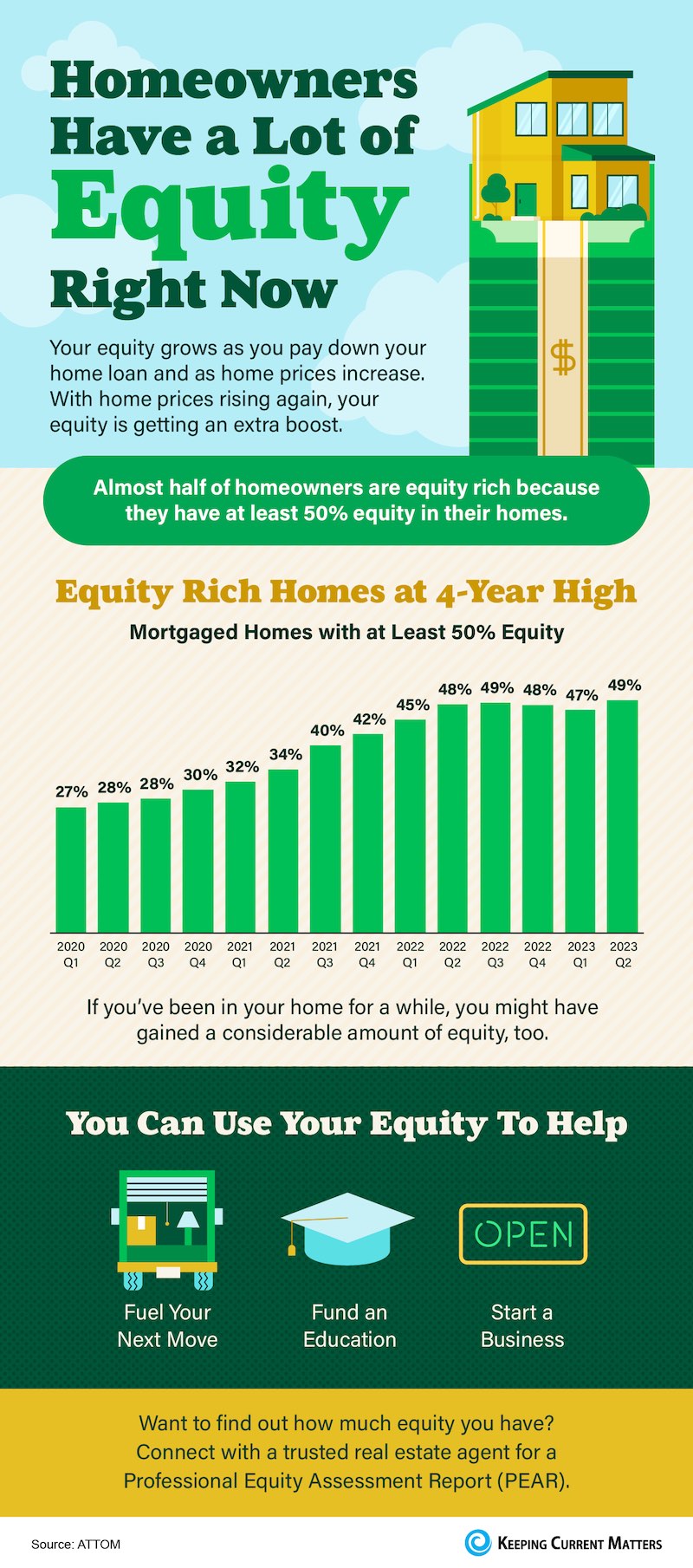
Your home isn’t just a shelter or a place to rest; it’s a potent financial resource that can help you secure your future. In the world of personal finance, home equity stands out as one of the most critical financial reservoirs you can tap into. Whether you’re planning to refinance, invest in renovations, or even make a future down payment on another property, understanding how to build home equity is super important.
In many ways, this subject is much like deciphering a complex data privacy policy: both involve figuring a path through a maze of subtle details and hidden complexities. Just as you need to get around online privacy settings, you must also navigate through the various steps of home improvement and management.
What Exactly Is Home Equity?
Home equity simply refers to the current market value of your home minus any outstanding mortgage or liens. It is the part of your property that you truly own, and over time, as your mortgage balance shrinks and your home value potentially increases, your equity grows.
This growth is not automatic; it requires active management and sometimes creative solutions. Much like managing your digital data, where every setting can make a difference, every decision impacting your property can either boost or hinder your home’s value. A greater understanding of these small distinctions allows you to make wiser decisions about repairs, renovations, and overall property management.
Smart Ways to Build Equity Faster
There are many strategies to help you expand your home equity more rapidly. Some approaches are straightforward, while others may seem intimidating at first. Let’s dive in to explore a few effective methods:
- Home Improvement Projects: Investing in strategic home upgrades—like kitchen remodeling, bathroom renovations, or energy-efficient upgrades—often provides one of the best returns on investment (ROI).
- Mortgage Refinancing: Refinancing your mortgage can help you secure a lower interest rate, ensuring that a larger portion of your monthly payment goes to reducing the principal. This process, while a bit nerve-racking, has the potential to accelerate equity buildup.
- Extra Payments: Even small additional payments towards your mortgage principal can add up over time and reduce the overall interest you pay.
- Market Timing: Paying close attention to local real estate trends can help you decide when to sell or refinance your home for maximum financial benefit.
Each of these strategies is tied to subtle parts of the home improvement and finance process that can, if handled properly, lead to significant gains in equity. It may seem complicated initially, but by taking the time to get into the fine points of each approach, homeowners can secure a more robust financial future.
Table: Home Improvement Projects That Boost Equity
| Project | Estimated ROI | Key Considerations |
|---|---|---|
| Kitchen Remodel | 70-80% | Focus on modern fixtures; balance between quality and cost |
| Bathroom Upgrade | 65-75% | Ensure functional layout and updated amenities |
| Energy-Efficient Windows | 70-80% | Consider long-term savings on utility bills |
| Exterior Renovations | 60-70% | Curb appeal factors; regional style preferences |
This table highlights some of the top projects you can consider. It’s essential to weigh the estimated ROI and the key factors associated with each project. Tailoring these improvements to your local market conditions, much like customizing your digital settings for personalized content, can maximize your returns.
Understanding the Connections Between Personal Data and Home Equity
At first glance, online privacy settings and building home equity might not seem connected. However, both involve making strategic decisions in an environment that is replete with twists and turns. In both cases, you’re up against challenges that require you to dig into the fine points of policies or financial documents, ensuring that every decision you make is based on an informed understanding of the issues at hand.
Whether you’re opting in or out of cookie trackers online, or deciding which home improvement project to undertake next, the ability to manage your way through confusing bits is a super important skill. In today’s world, every decision—be it related to personal data or home improvement—should be taken with an eye on both the immediate benefits and the long-term gains.
Making Informed Decisions in a Data-Driven Era
With digital platforms constantly evolving, keeping track of how companies are managing your data is no small feat. Many firms provide extensive details about how personal information is stored, accessed, and processed, similar to how a real estate agent might provide detailed market data when advising you on your home’s value.
This transparency should instill confidence rather than confusion. Just as you expect clarity from privacy policies—detailing everything from device scanning to personalized ad measurements—you should also demand detailed insights when it comes to your property’s finances. For homeowners, precise records of renovation expenses, market evaluations, and estimated equity growth are indispensable tools for steering through the home equity building process.
Digital Data Versus Home Data: A Comparative Look
Here’s a simplified comparison that outlines the similarities between managing your online privacy and building home equity:
| Aspect | Digital Data | Home Equity |
|---|---|---|
| Transparency | Detailed privacy policies and consent options | Accurate home valuation reports and renovation costs |
| Control | User-managed settings for data collection and ad personalization | Homeowner decisions on mortgage payments and improvements |
| Growth | Better personalization and product development driven by data | Increased equity through strategic home improvements and extra payments |
| Risk Management | Securing personal data against misuse while maintaining functionality | Guarding against over-improvement or market downturns through careful planning |
This side-by-side look helps to underline how careful management and understanding of both digital and physical assets can empower you. In each case, the goal is to make informed choices so that you end up with a setup—whether online or at home—that best suits your needs.
Practical Steps for Enhancing Both Privacy and Equity
For those who want to take a proactive approach, here are some practical steps to improve your digital and home financial health:
- Schedule Regular Reviews: Set aside time, whether monthly or quarterly, to assess both your online privacy settings and your home equity progress. Look for any changes in privacy policies or shifts in the local real estate market.
- Consult Professionals: Just as you might reach out to a legal advisor for data concerns, working with a knowledgeable REALTOR or a financial advisor can help you steer through the nuanced parts of home equity building.
- Keep Detailed Records: Make it a habit to record improvements, additional payments, and any pertinent data regarding both your online activity (if you manage multiple profiles) and home expenses. Information is your best ally.
- Stay Updated on Regulatory Changes: Both online privacy and real estate markets can be affected by new laws and regulations. Staying in the loop can help you manage risks effectively.
These steps, while seemingly basic, encapsulate the need to get into the details and figure a path that allows you to benefit both online and offline. By taking the time to sort out each element, you can build a strong foundation—be it in your personal finances or in digital safety measures.
Understanding the Local Market: Tailoring Home Equity Strategies
Home equity isn’t built in a vacuum. Local market conditions play a crucial role in determining how much value your home will naturally accumulate over time. In regions like Northern Michigan, where market dynamics can be unpredictable, understanding the local economic news is key. It’s similar to keeping an eye on the digital marketplace—where tracking shifts allows you to adapt your strategy quickly.
Local REALTORS, like Jaimie Fellows-Garno, frequently highlight that even minor home improvements tailored to regional tastes can lead to significant value increases. Each improvement should be seen as an investment not just in your home, but in your overall financial future.
Local Trends in Home Improvement and Market Value
When working through home equity strategies, it’s useful to examine specific local trends. Here are a few strategies that have proven effective in many suburban and rural markets:
- Energy Efficiency Upgrades: In areas that experience extreme temperatures, improving insulation or installing energy-efficient windows can vastly increase your home’s appeal.
- Modernizing Key Areas: Focus on renovating kitchens and bathrooms, where updates can dramatically improve both function and aesthetic appeal.
- Exterior Enhancements: Never underestimate the value of curb appeal. A fresh coat of paint, updated landscaping, and a well-maintained façade can all contribute to a higher market valuation.
These strategies, when combined with responsible mortgage management and perhaps even refinancing, can lead to faster equity buildup. The essential takeaway is that growth in home equity isn’t merely a byproduct of time—it is the result of deliberate actions, much like controlling the subtle aspects of data that affect your online experience.
The Interplay Between Home Improvement and Financing Options
While home improvement projects are a key way to boost equity, they can often come with intimidating price tags or nerve-racking risk factors. Many homeowners find it overwhelming to decide which projects to prioritize, especially when funds are limited. This decision-making process is strikingly similar to working through the fine points of digital privacy: every setting or project has its own potential return and level of risk.
Mortgage refinancing is another tool that, when used wisely, can expedite the growth of your equity. Refinancing might allow you to lower your monthly payments or better allocate extra funds towards your principal. It’s crucial to dive in and analyze your options carefully. A well-timed refinance, paired with a solid improvement plan, can serve as a super important catalyst for wealth generation.
Chart: Balancing Home Improvement Costs and Financing Benefits
| Factor | Consideration | Potential Benefit |
|---|---|---|
| Renovation Costs | Assess realistic budgets, including hidden costs | Improved home value and increased comfort |
| Mortgage Payments | Extra payments directly impact the principal | Faster buildup of equity with reduced interest costs |
| Market Timing | Monitor regional trends and seasonal fluctuations | Optimized sale or refinance opportunities |
| Financing Options | Explore refinancing, home equity loans, or lines of credit | Access to funds for strategic upgrades |
This chart lays out some of the core factors you should consider while planning your home improvement projects. Just as in managing personalized digital data, it helps to have an organized look at the numbers and factors influencing your decisions.
Integrating Digital Literacy with Financial Savvy
The modern consumer is expected to be literate not just in financial matters, but also in digital processes. Whether you’re reviewing a complex privacy policy or planning your next home upgrade, both tasks demand that you figure a path through sets of subtle details and slight differences that can significantly impact your outcomes.
For many, the challenge lies in merging these two skill sets. On one hand, you need to stay updated on the latest digital privacy practices and how companies manage your personal data. On the other, you must understand local real estate market dynamics and be proactive about maintaining or increasing your home’s value.
Why Digital and Home Management Go Hand in Hand
Both domains involve the constant evaluation of data—be it usage logs, website settings, or home market trends. In each case, you’re dealing with a mix of statistics, personal insights, and strategic planning. As technology advances, these fields are increasingly intertwined. For example, smart home devices now collect data that can also be used to inform energy consumption trends, which in turn could influence home improvement projects. The data you generate can even play a role in securing better financing options by showcasing home automation or improved energy efficiency.
Moreover, understanding how to make informed choices can be a great confidence booster. When you’re comfortable adjusting both your online privacy settings and deciding on high-impact home projects, you’re less likely to be overwhelmed by both fields. Instead, you’re empowered to take the wheel of your own financial destiny.
Looking Ahead: The Future Intersection of Technology and Home Investment
There is no doubt that the digital age is transforming every aspect of our lives, including how we manage our home finances. As big data and artificial intelligence continue to evolve, we can expect more refined ways of both protecting our personal data and optimizing our home investments. Future technologies could potentially deliver personalized recommendations based on a combination of market trends and individual property profiles.
Imagine a future where your smart home communicates directly with your financial advisor, advising you when to make extra mortgage payments or suggesting specific renovation projects that match current market conditions. This level of integration would make it even easier to work through the tricky parts of both areas. Instead of feeling overwhelmed by the nerve-racking choices, you’ll have data-driven insights that help you make the super important decisions critical to building wealth and preserving your privacy.
Key Innovations to Watch For
As technology evolves, several innovations hold promise for homeowners looking to bolster their equity while keeping their digital footprint secure. Some of these include:
- Smart Home Analytics: Devices that provide real-time data on your home’s energy consumption, security, and functionality can offer insights into potential upgrades. These insights can lead to smarter decisions about where to invest in home improvements without overspending.
- Integrated Financial Tools: Apps that track your mortgage payments, renovation budgets, and market trends can help you better manage your home-related finances. The same technology can be aligned with digital privacy controls for a comprehensive financial picture.
- Enhanced Data Security Protocols: As online privacy becomes even more of a priority, advancements in cybersecurity will ensure that your personal data—and by extension, your financial data—remains safe from unauthorized access.
- Personalized Home Equity Insights: Using machine learning, future platforms may offer tailored advice based on your home’s specifics and local market trends, making it easier to plan effective upgrades.
These innovations represent the cutting edge of how we might soon blend digital literacy with traditional financial management. The outcome could be a more intuitive interface for managing both online privacy and your most valuable asset—your home.
Final Thoughts: Embracing Transparency and Informed Decision-Making
There’s a clear parallel between managing personal data online and building home equity: both require you to get into the small distinctions and make well-informed choices. Digital policies that explain how your personal information is used and consented to are designed not to confuse, but to empower. Similarly, a clear strategy for building home equity is not about quick fixes or risky leaps, but rather about understanding subtle parts and taking calculated steps toward long-term growth.
It is important to remember that while the realm of digital privacy might seem intimidating and the process of enhancing your home equity might feel equally complex, both are manageable with the right knowledge and strategy. By taking a closer look at consent settings online, reviewing privacy policies regularly, and pairing that with a thoughtful, step-by-step approach to home improvements, you set yourself up for success in both fields.
Embracing this dual focus not only protects your personal information from falling into the wrong hands but also ensures that you can maximize the potential of one of your most important financial tools—your home equity. This transparency and informed decision-making are the twin engines that power not only your digital presence but your financial future.
Key Takeaways for the Modern Homeowner and Digital Citizen
Before you wrap up your day, keep these bullet points in mind:
- Stay Informed: Regularly review both your digital privacy settings and your home’s financial statements.
- Plan Ahead: Identify upcoming home improvement projects that could significantly boost your home’s value.
- Consult Experts: Whether it’s an IT professional for your privacy concerns or a trusted REALTOR for market insights, expert advice can help you work through even the most intimidating decisions.
- Leverage Technology: Use smart tools and apps to monitor trends and personalize your strategies both online and in real estate.
- Take a Balanced Approach: Understand that managing your online data and building home equity are both processes that require careful deliberation, persistence, and frequent updates.
By embracing these principles, you will be well-positioned to face a future where digital literacy and financial savvy go hand in hand—a future where every decision is backed by transparent data and clear, informed insight.
A Call for Continued Efforts in Transparency and Education
In closing, whether you are navigating the maze of online privacy settings or diving into the rewarding yet challenging world of home equity enhancement, continuous education plays a critical role. The landscape is constantly evolving. With new regulations emerging in both digital privacy and real estate markets, staying updated is not just beneficial—it’s essential.
As businesses and consumers alike push for greater clarity—from how cookies track your unique identifiers to which home improvement projects yield the best financial returns—the need for transparent, accessible information has never been greater. Our responsibility is to demystify these hidden complexities, making it easier for everyone to make choices that are not only informed but also tailored to their individual circumstances.
So, as you invest time in reading through detailed privacy policies or consulting with local experts about home improvements, remember that every bit of information is an opportunity. An opportunity to secure your personal data, to enhance your living environment, and ultimately to build a more resilient financial foundation. In this balancing act between digital transparency and home investment, informed decision-making is the ultimate game changer.
Let’s continue to champion transparency—a principle that will empower digital citizens and homeowners alike. Whether you are fine-tuning your online data permissions or planning your next home upgrade, the goal remains the same: to step confidently into a future where you are in complete control of your personal and financial destiny.
Originally Post From https://upnorthlive.com/community/making-cents/making-cents-explaining-what-home-equity-means-ways-to-build-it-faster
Read more about this topic at
Please explain to me like I’m five. What exactly is home …
Home Equity: What It Is, How It Works, and How You Can …

