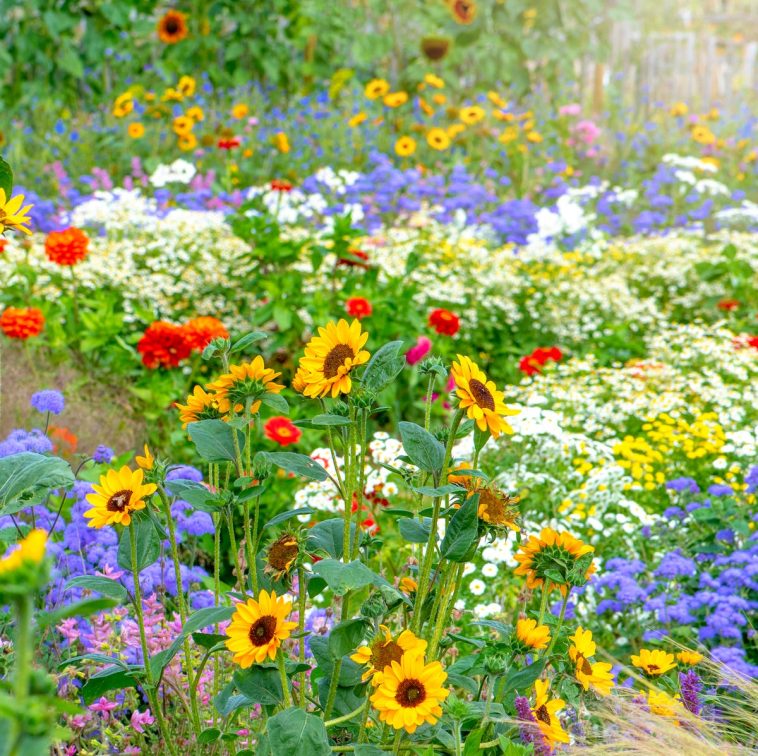

Chaos Gardening: Embracing the Wild Approach in Modern Landscaping
The latest trend making waves on social media and in backyard projects alike is chaos gardening – a spontaneous, freeform method of cultivating wildflowers and native plants. In this opinion piece, we take a closer look at how this innovative gardening style challenges the conventional, structured planting system while connecting enthusiasts with nature in an exciting, low-maintenance way.
DIY Chaos Gardening: Breaking Free from Traditional Design
Chaos gardening is a liberating concept that encourages gardeners to toss out the rule book and trust their instincts. Rather than following strict blueprints, enthusiasts mix a variety of wildflower seeds and scatter them over a prepared patch. This creative approach not only saves time but also fosters a vibrant, self-sustaining ecosystem. Many local gardeners are finding that making your own wild, natural garden is less intimidating than meticulously planning every detail.
By embracing chaos in gardening, people are challenging the status quo of manicured lawns and orderly flower beds. Instead, they are creating displays that are often unpredictable, full of energy, and beautifully untamed. The appeal of chaos gardening lies in its simplicity – there is no need for step-by-step instructions or an overwhelming list of tasks. Instead, the focus is on the playful interaction between nature’s unpredictable patterns and the gardener’s creative input.
Preparing Your Alabama Garden Space for Wild Flower Planting
One key element in setting up a successful chaos garden is choosing and preparing the right location. In regions like Alabama, wildflowers typically flourish when sown in the fall, taking advantage of the cooler weather and natural rainfall. A sunny spot is the most critical requirement since most wildflower species need full sun for optimal growth. Before scattering seeds, however, homeowners should invest some time into assessing the garden space and making necessary adjustments.
Steps to get your Alabama garden ready include:
- Site Selection: Choose an area that receives abundant sunlight. Consider whether you prefer a tidy, organized bed or a more natural, free-flowing display.
- Soil Evaluation: One of the trickier parts of starting a garden is understanding your soil’s hidden pieces. Conducting a soil test will reveal nutrient levels, helping to avoid overfertilization and ensuring that amendments are made only when super important.
- Soil Amendment: If your soil turns out to be heavy with clay or overloaded with rocks, working in some high-quality compost can help improve drainage and the overall structure.
These steps underscore why chaos gardening is not as off-putting as it may initially seem. With a bit of groundwork, even those new to gardening can create a thriving, low-maintenance space that embraces nature’s own order.
Understanding Soil Testing and Amendments: The Nitty-Gritty of a Wild Garden
Before scattering any seeds—chaotic or otherwise—it is critical to take a closer look at your garden’s soil. Soil testing demystifies the confusing bits of your outdoor canvas, allowing you to fine-tune nutrient distribution effectively. In many residential areas in Alabama, soils can have excessive phosphorus or other nutrients that may harm your garden if not adjusted properly.
Here’s what a standard soil testing process looks like:
| Step | Description |
|---|---|
| Collecting the Sample | Select several spots in the garden to take a representative mixture of soil. This ensures balanced test results. |
| Sending for Analysis | Submit the soil sample to your local extension service or a reliable soil lab to assess nutrient levels and pH. |
| Interpreting Results | With the test report in hand, look for information about nutrient concentration and other subtle parts of the soil’s makeup. |
| Amending Accordingly | Based on the data, use compost, lime, or other organic materials as needed to create the perfect canvas for your wild garden. |
This process, although it might appear intimidating at first, is straightforward. Learning to work through these steps helps demystify the hidden complexities of your soil and forms the basis for a successful chaos garden.
Selecting Native Wildflowers: Creating a Haven for Pollinators
Choosing the right species is key to any thriving wild garden. When it comes to chaos gardening, picking native wildflowers is a super important decision. Local experts recommend embracing species indigenous to Alabama for a couple of reasons:
- Pollinator Attraction: Native wildflowers naturally draw in bees, butterflies, hummingbirds, and other vital pollinators essential for a balanced ecosystem.
- Environmental Adaptation: Native plants are already acclimatized to the local climate, meaning they are often easier to maintain and more resistant to local pests.
- Reduced Maintenance: Since native plants thrive in their natural environment, there is less need for extra watering or fertilization – a significant plus for a laid-back chaos garden.
Experts like Kerry Smith from Alabama Extension suggest that gardeners start small—maybe with a single favorite native species—and work their way up from there. This controlled approach turn by turn builds confidence as you watch your chosen flowers evolve and attract local wildlife.
Popular native wildflowers to consider include:
- Butterfly Weed (Asclepias tuberosa)
- Blazing Star (Liatris variants such as Liatris spicata)
- Pale Purple Coneflower (Echinacea pallida)
- American Beautyberry (Callicarpa americana)
- Black-Eyed Susan (Rudbeckia hirta)
- Brown-Eyed Susan (Rudbeckia triloba)
Combining a variety of these species, while ensuring they share similar needs (sun exposure, water, and soil conditions), is the trick to an enduring chaos garden that’s as diverse as it is beautiful.
Mixing Species in One Patch: Balancing Contrasting Needs
For those who want to dive in and try sowing multiple species in the same area, chaos gardening can feel almost artistically freeing. However, it is important to ensure that the chosen species have similar requirements. In cases where a mix might include drought-tolerant species alongside water-loving species, you may face tangled issues or conflicting maintenance challenges.
To avoid these confusing bits, consider the following guidelines:
- Assess Sunlight and Moisture: Match species that thrive under similar light and water conditions. For example, if your garden area tends to dry out quickly, focus on species that handle drought well.
- Consider Nutrient Needs: Some wildflowers prefer nutrient-rich soils while others are content with poorer soil conditions. Pair appropriately so that no species is left struggling.
- Plan for Spread: Think about the mature size of each plant. Some wildflowers spread aggressively, which can sometimes overpower more delicate companions.
Working through these points can help you figure a path through the potential pitfalls of mixed-species planting. The goal is to let nature’s spontaneity shine while keeping manageable order amid the perceived disorder.
Avoiding Invasive Species: Recognizing the Risk Factors
While chaos gardening celebrates a relaxed spirit, there is an important cautionary note regarding invasive species. Even in a carefree garden, it’s crucial to steer clear of plants that might upset the local ecosystem if left unchecked. Prepackaged seed mixes sometimes contain species that, while attractive, can quickly become overwhelming in the wild.
Specific invasive species to be aware of in Alabama include:
- Japanese Honeysuckle (Lonicera japonica): Despite its attractive flowers, this vine can disrupt native habitats.
- Chinese Privet (Ligustrum sinense): Known for its rapid growth, this species can crowd out indigenous plants.
By being cautious about the seeds you select, and by researching reputable suppliers—often available through local extension programs—gardeners can avoid the nerve-racking consequences of unintended invasions. It’s a good idea to ask for local recommendations and consult with home horticulture experts to ensure that your chaos garden remains full of promise rather than riddled with future problems.
Sustainable Landscaping Through Chaos Gardening
One of the most compelling aspects of chaos gardening is its alignment with sustainable practices. In an era when environmental concerns are at the forefront of community discussions, planting native wildflowers offers a super important alternative to resource-heavy landscaping methods. By reducing the need for extensive watering, chemical fertilizers, and routine upkeep, chaos gardening provides a natural, low-impact way to enhance urban and suburban spaces alike.
This style of landscaping not only supports local pollinators by giving them a thriving habitat but also contributes to environmental balance. In many ways, chaos gardening reflects a broader cultural move toward sustainability and mindful environmental stewardship. For small business owners and property managers, this approach can lead to reduced maintenance costs and a beautification of outdoor spaces that resonates with eco-conscious clients.
Economic and Environmental Benefits: A Dual Advantage for Homeowners and Communities
Beyond the aesthetics and environmental perks, chaos gardening has tangible economic advantages. For homeowners, maintaining a meticulously manicured garden can be expensive and time-consuming. Chaos gardening, in contrast, typically requires less planning and ongoing labor. This translates to lower costs both monetarily and in terms of personal time investment.
The financial benefits extend into the larger community as well. Local nurseries and extension services often promote native species, ensuring that money spent on seeds and gardening supplies circulates within the community. Additionally, the enhanced curb appeal of a natural, thriving garden can boost property values and contribute to neighborhood pride.
Key benefits include:
- Lower Maintenance: With fewer requirements for water and fertilizer, ongoing costs are minimized.
- Community Engagement: Shared gardening experiences and local seed supplier networks help build community ties.
- Long-Term Savings: Sustainable practices reduce long-term upkeep expenses while also positively impacting the environment.
Local Perspectives: What Alabama Gardeners Are Saying
Alabama’s gardening community has been quick to embrace chaos gardening, finding that the method complements the region’s climate and native flora perfectly. Many local gardeners report discovering unexpected beauty in an approach that prioritizes spontaneity over synchronized planning. There is a growing sentiment that chaos gardening enables individuals to tap into the creative spirit of nature and to figure a path through some of the nerve-racking challenges of conventional garden management.
Community workshops and extension programs frequently highlight how the hands-on experience of managing a chaos garden can instill a deeper understanding of natural processes. They emphasize:
- Learning to adjust when nature throws a curve, such as unexpected weather patterns or pest issues.
- Enjoying the small distinctions in plant growth and seasonal changes that often go unnoticed in overly organized garden beds.
- Realizing that even when things seem wild and untamed, there is a hidden order to the chaos if one just takes a closer look.
These local voices contribute significantly to the narrative that chaos gardening isn’t simply about letting nature run rampant; it’s about carefully choosing to celebrate nature’s unpredictable beauty while remaining aware of the fine points that keep a garden flourishing year after year.
Tips for Getting Started: How to Create Your Wild Oasis
If you’re ready to ditch the conventional garden plans and experiment with chaos gardening, here are some friendly tips for a smooth start:
- Start Small: Begin with a small patch or container garden. This manageable space allows you to learn and adapt without feeling overwhelmed.
- Invest in a Soil Test: Knowing your soil’s nutrient levels is key. This super important step ensures that you only add what is needed, preventing the tricky parts of over-amending.
- Choose Native Seeds: Make a list of native wildflowers that thrive in your area. Ask local experts for recommendations to ensure your choices align with the region’s weather and soil conditions.
- Embrace Imperfection: Understand that your garden will have its twists and turns. Enjoy the process, knowing that each season brings new growth, challenges, and surprises.
- Network with Fellow Gardeners: Join local extension workshops or online gardening communities to share experiences, exchange ideas, and learn from others who have already taken the wheel with their own chaos gardens.
These small steps can help anyone get around the initial challenges of chaos gardening. With time, the once intimidating process becomes second nature, and the beauty of a wild, naturally evolving garden becomes undeniable.
Pondering the Philosophy: Chaos as a Creative Process
At its core, chaos gardening is more than just an alternative way to plant—it’s a fundamentally different philosophy about how we interact with nature. In a society where so much emphasis is placed on controlling every aspect of the environment, letting go and allowing nature to take its course can be both refreshing and enlightening. This method is an invitation to dig into the idea that imperfection is not only acceptable, but also a source of beauty and wonder.
Chaos gardening forces us to re-evaluate our need for total control in every aspect of life. Instead of viewing unpredictable growth as a failure in planning, it can be seen as an opportunity to appreciate nature’s own design. The wild bursts of color, the unanticipated layout of plant groups, and even the small distinctions in leaf shape and bloom structure remind us that there is beauty in the unpredictable.
This philosophy resonates particularly well with those who appreciate artistry in the natural world. Just as an abstract painting uses splashes of color to evoke emotion, a chaos garden reflects the spontaneous energy of nature. It is a reminder that, sometimes, the most nerve-racking parts of life are the ones that lead to the most unexpected and rewarding outcomes.
The Business Perspective: Opportunities for Local Entrepreneurs
From a business standpoint, the growing interest in chaos gardening presents intriguing opportunities. For local garden centers and nurseries, emphasizing native plant collections and offering soil testing services can tap into this trend. Small business owners who cater to eco-friendly landscaping projects can find a niche market in urban chaos gardening workshops, DIY classes, and curated seed mixes that exclude invasive species.
Moreover, the sustainable aspect of chaos gardening appeals to environmentally conscious consumers. Increasingly, cities are incorporating green spaces that embrace natural diversity rather than strictly manicured lawns. This shift opens up opportunities for partnerships between local governments, community groups, and small businesses dedicated to creating sustainable, wild landscapes.
Business opportunities may include:
- Native Seed Retailing: Curated seed mixes that highlight species native to Alabama and surrounding regions.
- Sustainable Landscaping Services: Services focused on low-maintenance, eco-friendly garden designs.
- Garden Workshops and Seminars: Educational programs that teach homeowners how to get into chaos gardening step by step.
- Soil Testing and Consultation: Expert advice on preparing garden spaces, ensuring that the soil is set for success without unnecessary expenditure.
The economic ripple effect of chaos gardening extends beyond individual gardens. As homeowners and small businesses embrace this natural approach, local economies can benefit from the increased demand for sustainable, locally sourced garden products and services.
Challenges and Lessons Learned: Working Through the Tangled Issues
Any gardening method comes with its own set of challenges, and chaos gardening is no exception. While the idea of tossing seeds and letting nature run its course is appealing, there are a few tricky parts that require attention:
- Weed Control: In the absence of strict planning, unwanted weeds can sometimes take over. Regular monitoring and the occasional hand-weeding are necessary to keep the garden vibrant.
- Pest Management: With increased biodiversity, some pest issues may arise. The key is to use natural, non-toxic pest control methods and to consult local experts when needed.
- Seasonal Variability: As with any outdoor space, weather extremes can create nerve-racking situations. Gardeners must be flexible and willing to adapt planting schedules and protective measures accordingly.
These challenges are part of the overall learning curve with chaos gardening. Every twist and turn is an opportunity to poke around the issues, learn from mistakes, and gradually refine your approach. The journey itself is just as enriching as the final blossoming garden.
Educational Insights: How Extension Services Can Support Chaos Gardening
Local extension services, such as those offered by Alabama Extension, play an essential role in guiding novice and experienced gardeners alike. They provide not only technical support like soil testing advice but also educational resources on best practices for chaos gardening. Workshops, seminars, and online articles help break down the intimidating bits of starting a wild garden, making it more accessible to everyone.
Extension agents are invaluable in helping gardeners:
- Identify native and sustainable species suitable for the region.
- Understand the subtle distinctions between various wildflowers and their environmental needs.
- Set up a garden plan that balances spontaneity with practical, manageable guidelines.
Such support makes the seemingly overwhelming process of chaos gardening more approachable and encourages more homeowners to give this innovative method a try. It’s a community effort that showcases the benefits of freeform planting while ensuring that best practices are followed to protect local ecosystems.
Looking Ahead: The Future of Sustainable, Wild Landscaping
With growing environmental awareness and a push towards sustainable living, chaos gardening is poised to become a critical part of modern landscaping. Homeowners are finding that allowing a garden to evolve naturally not only eases daily upkeep but also creates a dynamic space that changes with the seasons. As more people adopt a hands-off approach, there’s a vibrant interplay between nature and nurture that redefines the way we think about gardening.
Looking ahead, future trends might include:
- Enhanced Native Plant Selections: As regional research expands, more native species will be identified and recommended for chaos gardening. This will provide even greater biodiversity and resilience in these gardens.
- Integrated Water Management: With smarter use of rainwater harvesting and drought-resistant plants, chaos gardening will continue to prove its worth in water-conscious landscapes.
- Community-Supported Gardening Initiatives: Neighborhood projects that emphasize community wild gardens could bring together local residents to work collectively on shared green spaces.
The possibilities are as varied as the wildflower mixtures that define chaos gardening. This trend is not merely a transient fad; it reflects a broader, evolving mindset toward living in harmony with nature while taking advantage of simple, effective gardening techniques.
Reflections on the Unconventional Beauty of Chaos Gardening
Chaos gardening represents a shift from rigid control to a more organic, hands-off approach to landscaping. It invites homeowners to appreciate the little twists and slight differences that make nature so captivating. Rather than viewing unpredictability as a nuisance, this approach celebrates it as an inherent part of a living, breathing ecosystem.
For many, the appeal lies in its simplicity. There’s a certain charm in knowing that you’ve set the stage for nature to craft its own masterpiece. Every garden bed, every scattered seed, and each unexpected bloom tells a story of freedom, resilience, and natural beauty. It’s a beautiful reminder that perfection isn’t measured by symmetry or precision, but by the vitality and diversity that a well-tended wild garden can inspire.
Final Thoughts: Why Embracing the Wild Can Lead to a More Fulfilling Life
In a world where so much is planned, scheduled, and methodically controlled, chaos gardening offers a refreshing counterbalance. It encourages us to find your way through the more relaxed, spontaneous aspects of life and to trust that sometimes, letting things be can lead to some of the most rewarding outcomes.
Whether you’re new to gardening or a seasoned pro looking to break free of rigid routines, chaos gardening proves that nature’s unpredictable charm can lead to practical benefits as well as personal fulfillment. By choosing native species, investing in a good soil test, and allowing room for nature’s own design to take over, you are setting up a canvas that is both wild and beautifully curated.
This opinion editorial is a call to action for homeowners, small business owners, and community leaders alike. It’s time to reconsider the conventional, embrace the wild, and watch as your garden transforms into a living, evolving work of art—a tribute to both nature’s spontaneity and your creative spirit.
In conclusion, chaos gardening merges sustainability, local cultural pride, and modern lifestyle trends. It is a practical, vibrant, and life-affirming way to find harmony between our everyday lives and the natural world. So next time you plan your outdoor space, consider taking a chance on chaos—because sometimes the most beautiful outcomes are born from a bit of wild, unplanned freedom.
Originally Post From https://gulfcoastmedia.com/stories/alabama-extension-chaos-gardening-a-wild-approach-to-planting-flowers,287334
Read more about this topic at
Is your garden out of control? Don’t stress: embrace …
Chaos Gardening: Embrace the Wild Side of Your Garden